



Ask anyone working in a creative field and they’ll tell you: staying inspired on command can be exhausting.
Over the years, I’ve had to confront the inevitable reality of burnout and find myself circling back to the same fundamental question: “How do I sustain my artistic spark as a graphic designer without putting it out?”
The truth is that creativity isn't a faucet you can leave running 24/7. Protecting your craft for the long haul requires the accountability to set clear professional boundaries and the courage to explore without putting so much pressure on the final output.
Below are 10 rules I’ve developed to consistently refill my creative tank. It’s a sustainable design practice guide built on lived experience and personal growth that can help both beginners stepping into this field and industry professionals looking for shared knowledge and methods.
1. Treating Creative Energy as a Finite Resource
Energy management is one of the most critical skills you can develop in this industry. What you pour out into client briefs, feedback rounds, and deliverables must eventually be replenished. Early in my career, I treated my energy like an infinite well, only stopping when I hit total exhaustion. Now, I view my workload through the lens of career longevity: knowing yourself well enough to detect the subtle warning signs of depletion and having a personalized toolkit ready to restore yourself mentally, physically, and emotionally over time.
2. Finding Inspiration Away from the Screen
My best work rarely begins in front of a monitor. When you rely solely on digital feeds like Pinterest or Behance, it's easy to fall into a cycle where everything ends up looking the same. Instead, I lean towards physical, tangible sources: diving into design history or grid structure books, taking architectural walks through the city, or feeling the texture of raw materials in my hands. Stepping away from digital fatigue acts as a visual reset, helping me look beyond fast-moving trends and towards design that remains timeless.
3. Embracing Low-Stakes Creation
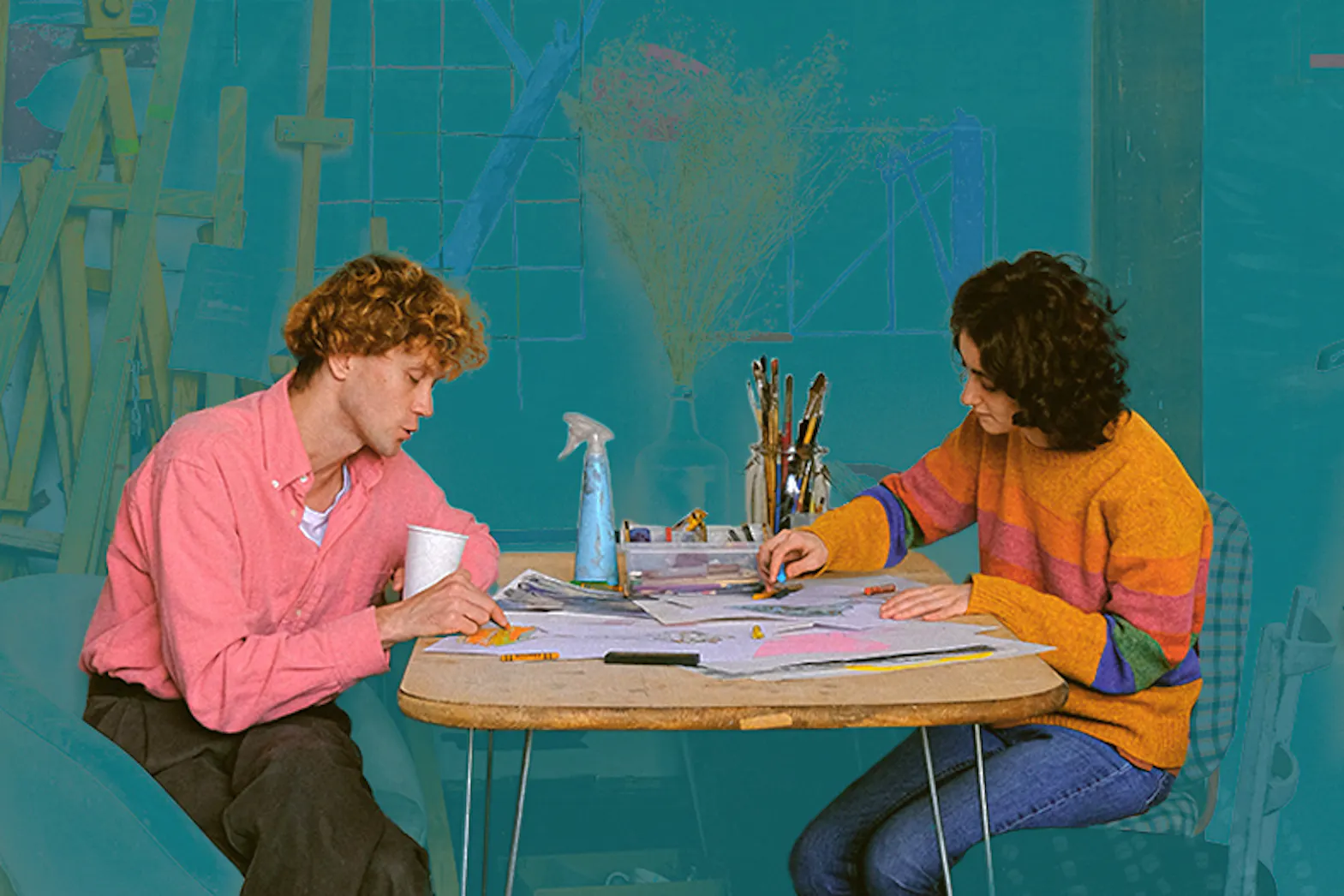
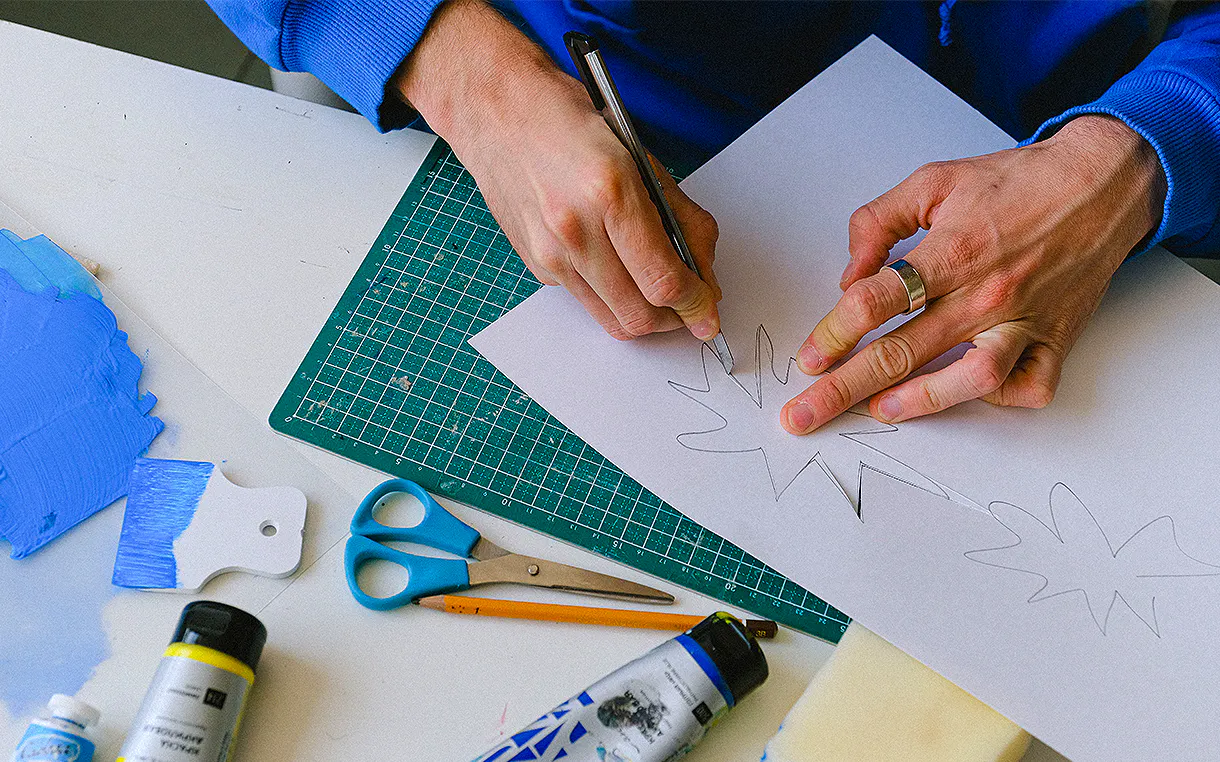
You must make space for pure play without the burden of perfectionism! Tapping into creative passions outside of your day job prevents art from feeling like just another item to check off a professional to-do list. Whether it’s carving lino, getting your hands dirty with traditional printmaking methods, or simply cozying up on the couch with a cross-stitch project, engaging in non-commercial creative hobbies reminds you why you fell in love with making things in the first place.
4. Giving Myself Permission to Fail
Two words: Dismantling perfectionism. True freedom comes from removing the internal pressure to produce something wrapped in a neat bow on draft one. Embrace messy thumbnail sketches, half-baked layouts, and incomplete thoughts. When you give yourself explicit permission to brain dump, you take away the fear of a blank canvas. It creates a low-stakes setting where your brain can take genuine creative risks, which is often where the real breakthroughs are hiding.
5. Respecting the Process (Not Just the Outcome)
Early in a design career, it’s easy to focus solely on the final deliverable. Over the years, however, I’ve come to deeply value the messy middle, because that’s where actual problem-solving happens. Especially within community-led projects, the journey you take to reach the end is easily 90% of the work. The rejected explorations, the shared knowledge built along the way, and the quiet moments of connection with the people you’re designing for are ultimately where true creative value and meaning reside.
6. Diversifying Creative Work
Cross-pollinating ideas across different disciplines keeps the mind agile. Within our team at Narratives, our work stays dynamic because we actively embrace cross-disciplinary thinking. Carving out time to alternate between brand identity, marketing strategy, and social media storytelling ensures that your brain is constantly adapting. Applying strategic insights from one medium to solve a problem in another is one of the quickest ways to stay sharp.
7. Expanding Knowledge Outside the Design World
Some of the best design solutions are informed by perspectives that have nothing to do with visual design. I find my strategic thinking expands most when referencing fields completely detached from aesthetics: reading about human psychology, social movements, history, or sovereignty. You can find commonality between different topics that help to enrich your perspective, turning you into a far better storyteller and strategist. When you understand the broader context of the world, your design work carries far more intention.
8. Building Community Within the Design Sphere
Surrounding yourself with peers who truly understand the specific nuances, client challenges, and quiet wins of this industry is essential. Engaging with the broader design community expands your perspective and builds a strong support system. This doesn't have to mean formal networking; it can look like offering peer mentorship, welcoming student placements into your workplace, attending local creative talks, or even just gathering for a design trivia night. Finding your community reminds you that you aren't navigating this career alone.
9. Owning My Expertise and Creative Authority
This is a hard one, and is something almost every designer actively navigates, regardless of experience or title. Claiming your creative authority means learning to trust your history of trial, error, refined skills, and intuition when advocating for a direction. Standing confidently behind your rationale isn't arrogance; it's recognizing that your lived experience is an asset. When you trust your own perspective, clients and team members feel that strength, making it easier to guide projects toward meaningful outcomes.
10. Honouring the Younger Version of Me
The principle I fall back on most often is honouring where I started. It's so easy to get caught up in the next deadline or career goal that we forget to look back at the trail behind us. Taking time to reflect on early iterations of your work reveals just how far you’ve actually grown. Realizing that I’m actively living in the career my younger self once dreamed of instills gratitude for every milestone achieved. It grounds me in the present while inspiring me to help build what the future of design looks like and how I can do my part in shaping that.
Protecting your creative energy isn’t selfish; it’s essential.
It’s how you honour yourself and your work. By making space to refill your cup, you protect not just your output, but the genuine joy of a sustainable design process itself. Take care of your spark, and you’ll find that the craft will follow.