



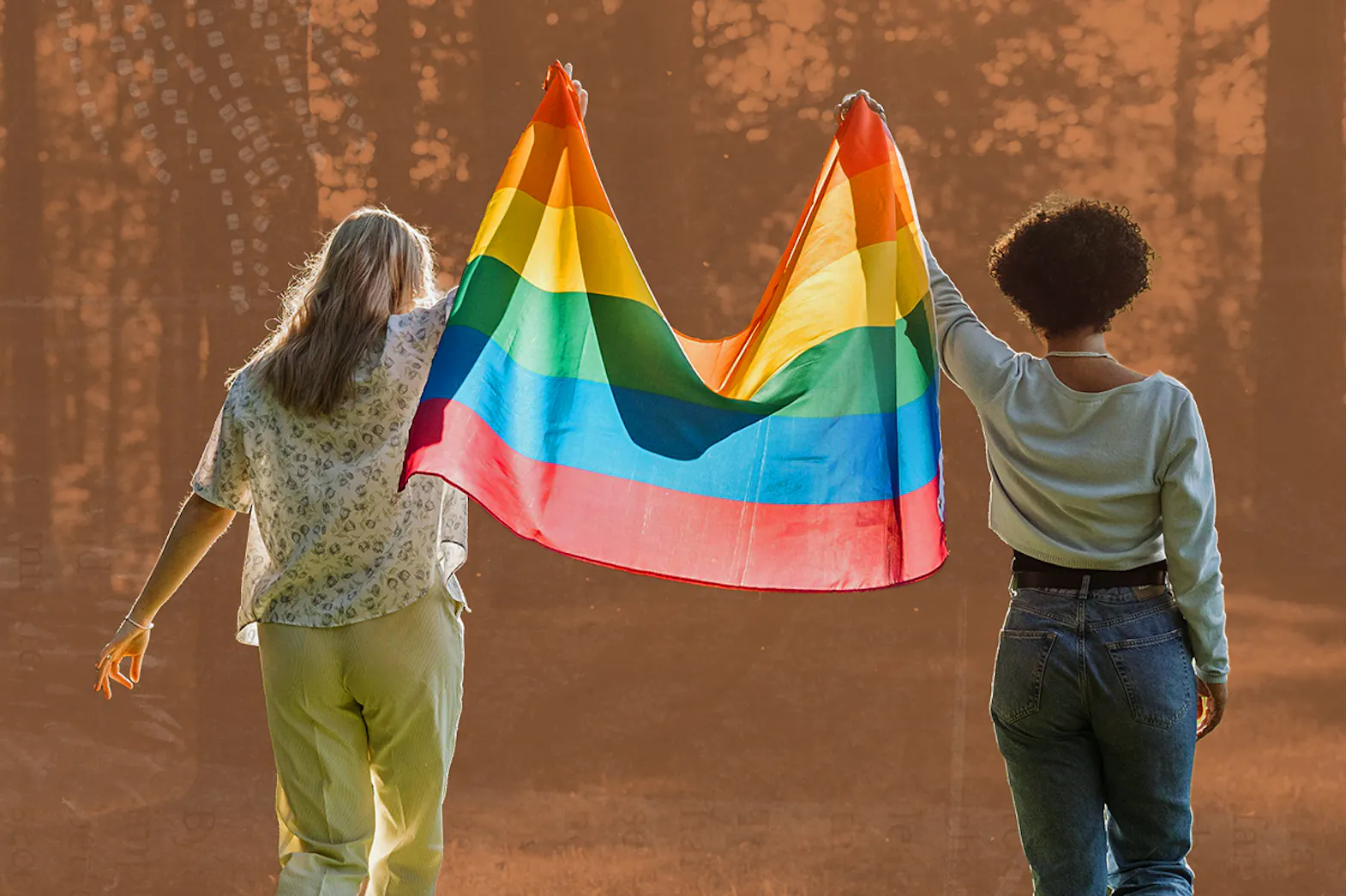
Although Pride Month is celebrated in June, the 2SLGBTQIA+ community exists all year round.
Honouring this month is important, as it is a time to reflect on those who fought for the rights and freedoms of this community, specifically further marginalized community members. Pride is celebrated in June, as this is when the famous Stonewall Riots took place in New York City in 1969. One way queer people continue to celebrate their queer identity and find belonging throughout the year is by gathering in queer-inclusive spaces.
While the history of the word queer is not entirely positive and has been used against those within the 2SLGBTQIA+ (Two-Spirit, Lesbian, Gay, Bisexual, Trans, Queer, Intersex, Asexual, and more) community, it has been reclaimed by many and used as a proud identity. The term is often used to encompass the whole of the community. With this said, it can evoke different feelings for different people. Some individuals love the term and identify strongly with it, using ‘queer’ as their main identity, while others hear a derogatory term. For me, queer is more than language to explain gender or sexuality, it is political.
To call a space queer, or to queer a space, is to say that it has been created with the intention of welcoming a diverse array of people, be it ability, nationality, race, gender, religion, creed, class, sexuality, or another intersecting identity. An inclusive environment upholds this concept without creating room for prejudice or discrimination.
While writing my capstone for the Master of City Planning degree and focusing on queer spaces in Winnipeg, I learned from many of my interviewees that the vital role of queer space comes down to the connection with other queer individuals. Such places provide a safe location for being yourself, however you may present. Interviewees also shared how affirming environments shaped their sense of self, as they can provide a sense of freedom when beginning to express who they are in a public setting.
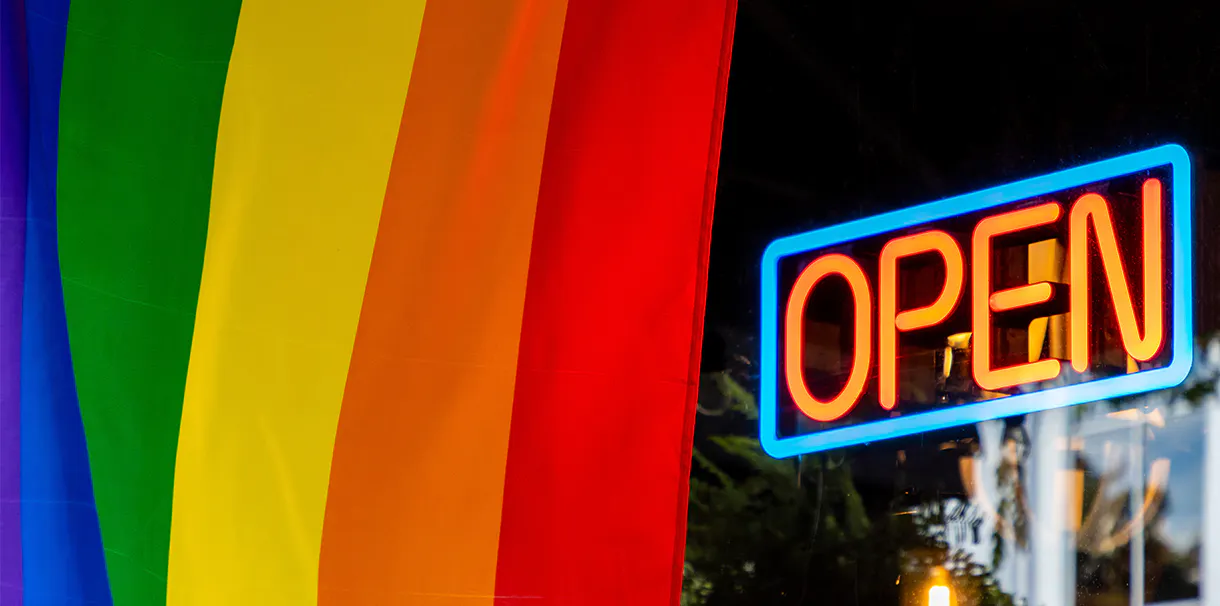
Want to work towards creating a safe and welcoming space? Here are some preliminary steps you can take:
- 1
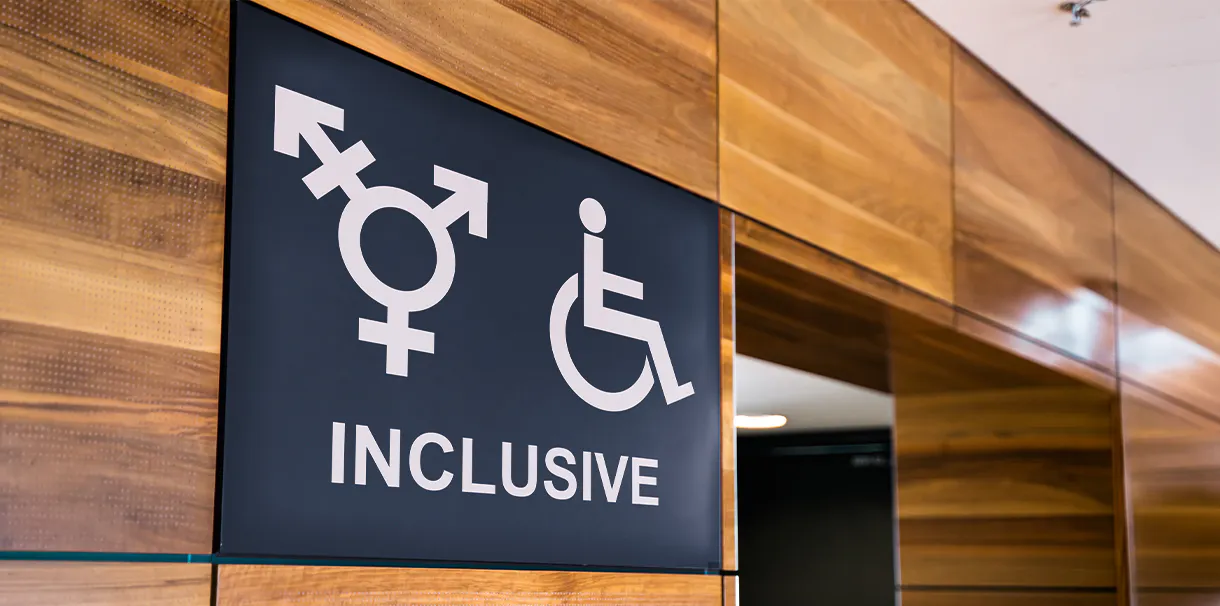
Implement Gender-Inclusive Washrooms
This is often the first thing that comes to mind when trying to create a safer space, but this is for good reason. A gender-inclusive washroom means that thought was put into creating a setting where more people feel comfortable.
- 2
Design Accessible Spaces
People of all abilities should be able to navigate your location. Can people in wheelchairs or with walkers easily navigate through your building? This can include evaluating stairs, level walkways, wider doorways, and more. Do you have braille signage available? Remember that accessibility is also more than physical; is there a quiet, private area for those who may be overstimulated? Is the lighting glaring?
- 3
Evaluate Your Décor & Marketing
How are you decorating your facility? How do you market your business? Will people feel or see themselves represented? Ensuring that someone does not feel like the only one who is like them creates ease and comfort, whether they are staff, clientele, or visitors.
Inclusive spaces create a venue to meet other like-minded people and a way to be around others who you can relate to.
For me, creating queer spaces means making an environment that is safe and can be enjoyed without fear by a diverse array of people, no matter how they identify. Pride is not only designated for June; celebrate the 2SLGBTQIA+ community all year round!
Read this past journal for more information about queer spaces in Winnipeg, the history of local pride movements and how to create safe environments on an individual level.