



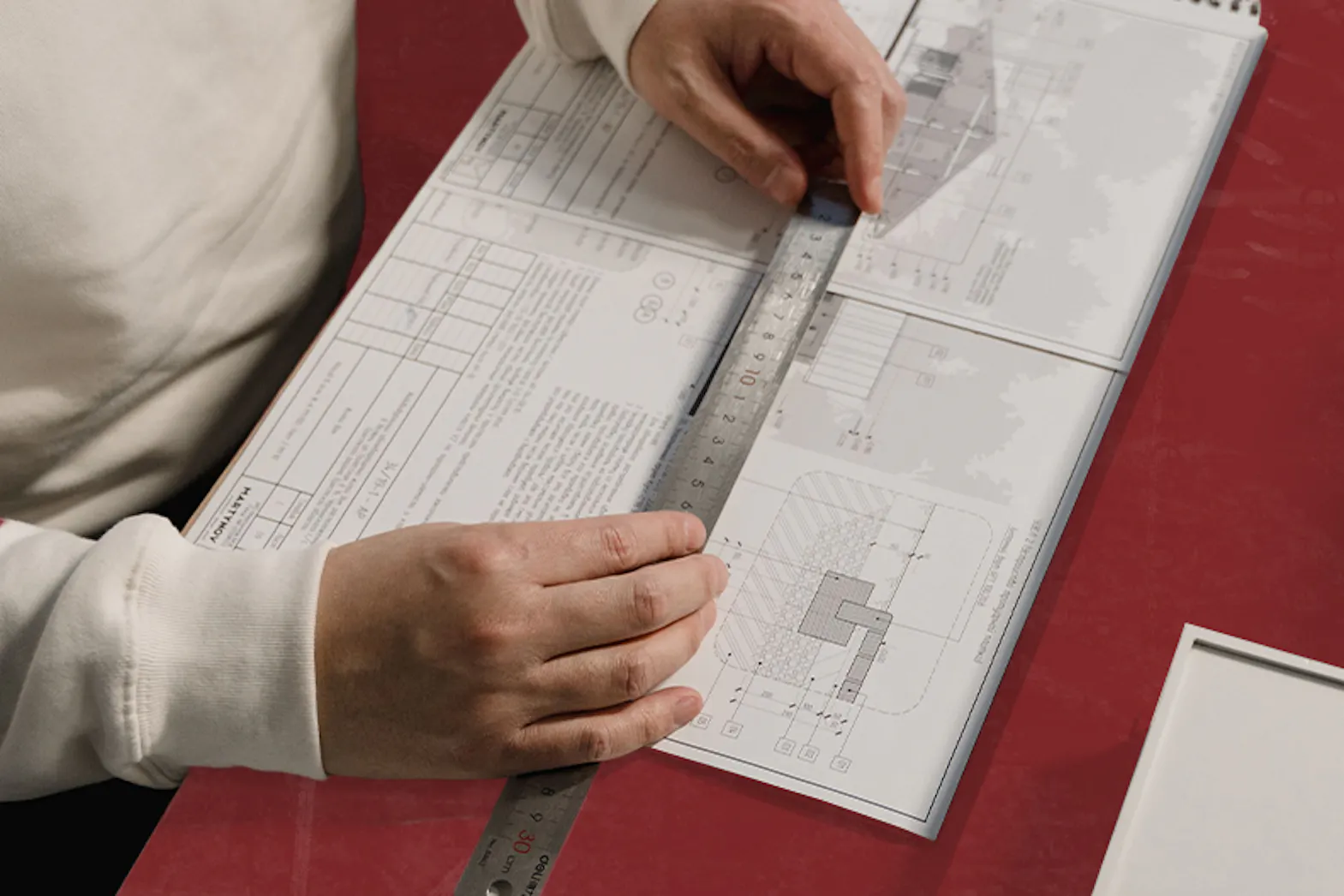
What Even Is a Planner?
While completing my degree in City Planning, I frequently had conversations with my classmates about what it means to be a planner. We were often told by our professors and instructors that we would find our own answers to this question throughout our time in the program, both during our studies and while conversing with industry professionals and community members. Although I have developed my own perspective of what the planning profession means to me, I was curious to chat with some of my colleagues to hear their thoughts. This is what they said:
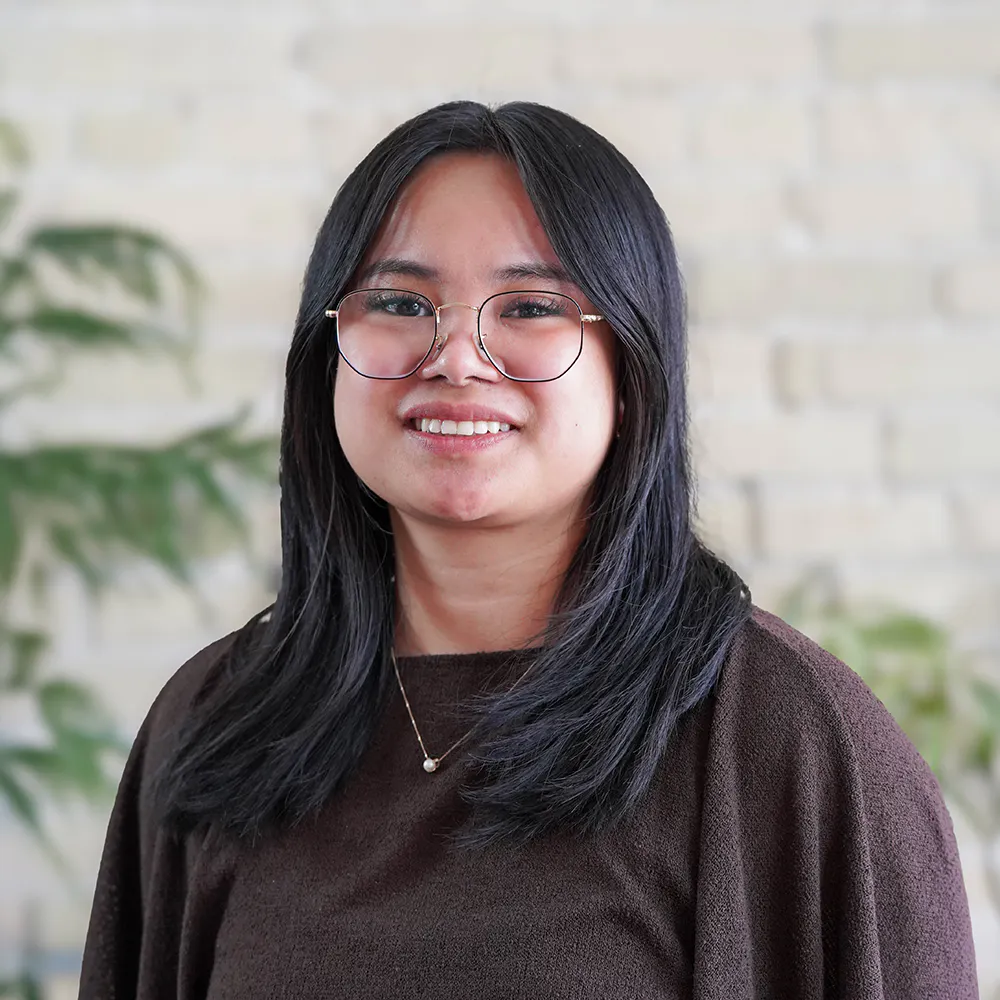
Alandra Barairo
Planner
“Planning is hard to define because there are so many different facets that you wouldn't automatically assume are ‘planning,’ like project management, economic development, or even just the social and cultural components. One of the most obvious ways it shows up is in how diverse all planners’ backgrounds are, such as the number of people with backgrounds in English, fine arts, interior design, or even music.”
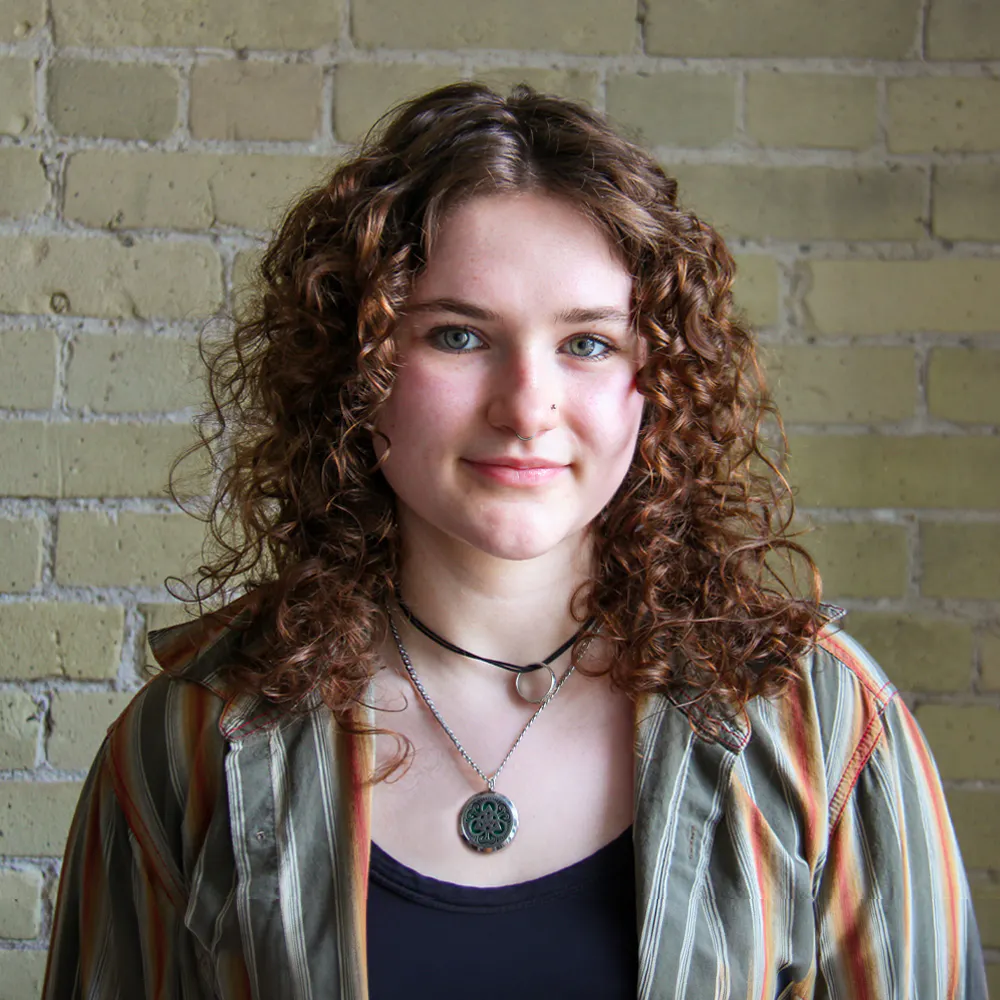
Bailey Morgan
Marketing & Communications Intern
“As a business and marketing student, the first time I heard an in-depth explanation of planning was during an event planning course. To me, a planner is someone who looks at a large concept and narrows down every small aspect of it. Instead of thinking ‘I want to hold an event’ or ‘I want to create a park,’ they map out where washrooms are located, how medical equipment can be accessed, and where parking, walking trails, garbage bins, and recycling will be placed, and why.
It also means understanding who you are designing for. If you’re making a park for young kids, you want vibrant colours that they find fun, instead of grey, white, or black schemes often catered to older groups. In short, a planner to me is someone who looks beyond the big picture to create realistic spaces for the necessities that give a concept meaning, soul, and value!”
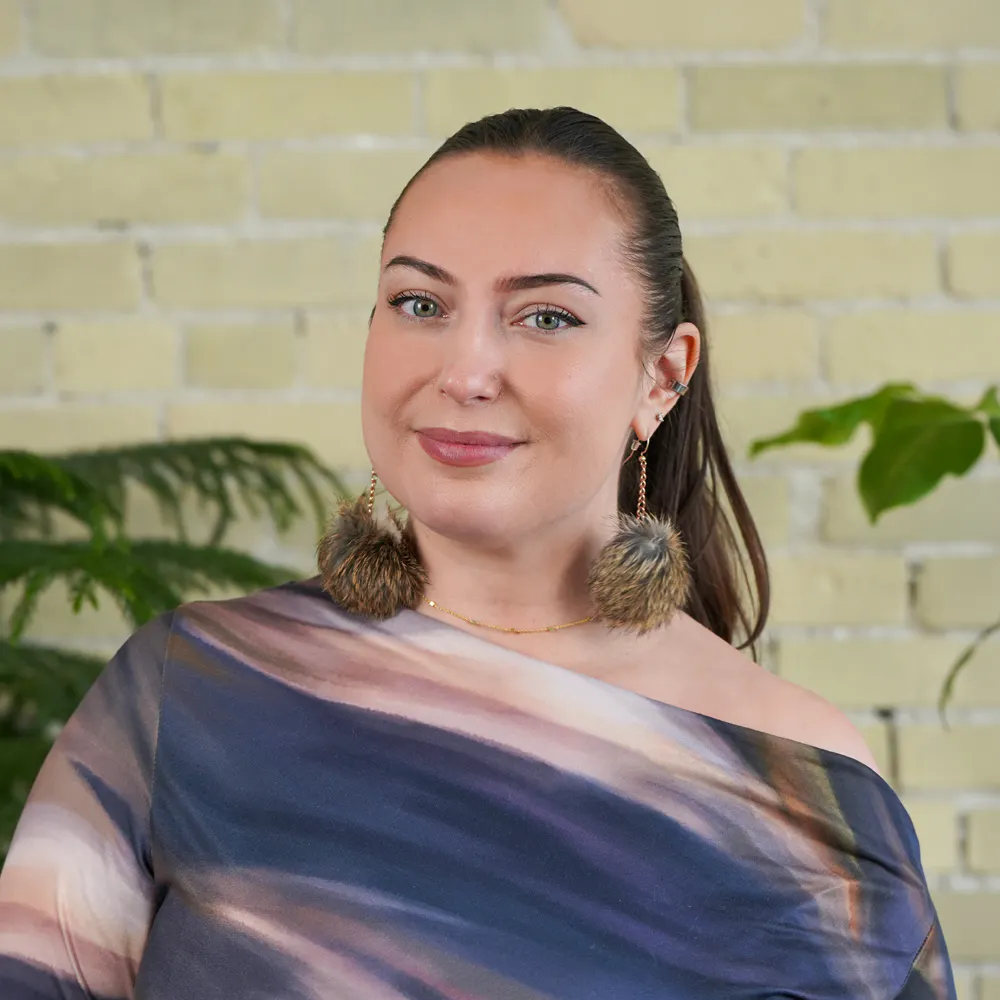
Desirée Thériault
Partner | Senior Landscape Designer
“To me, planning is the practice of building and nurturing relationships. It’s about creating the conditions for people, land, identity, and purpose to come together in meaningful ways. The plans themselves matter, but it’s the relationships that carry them forward.”
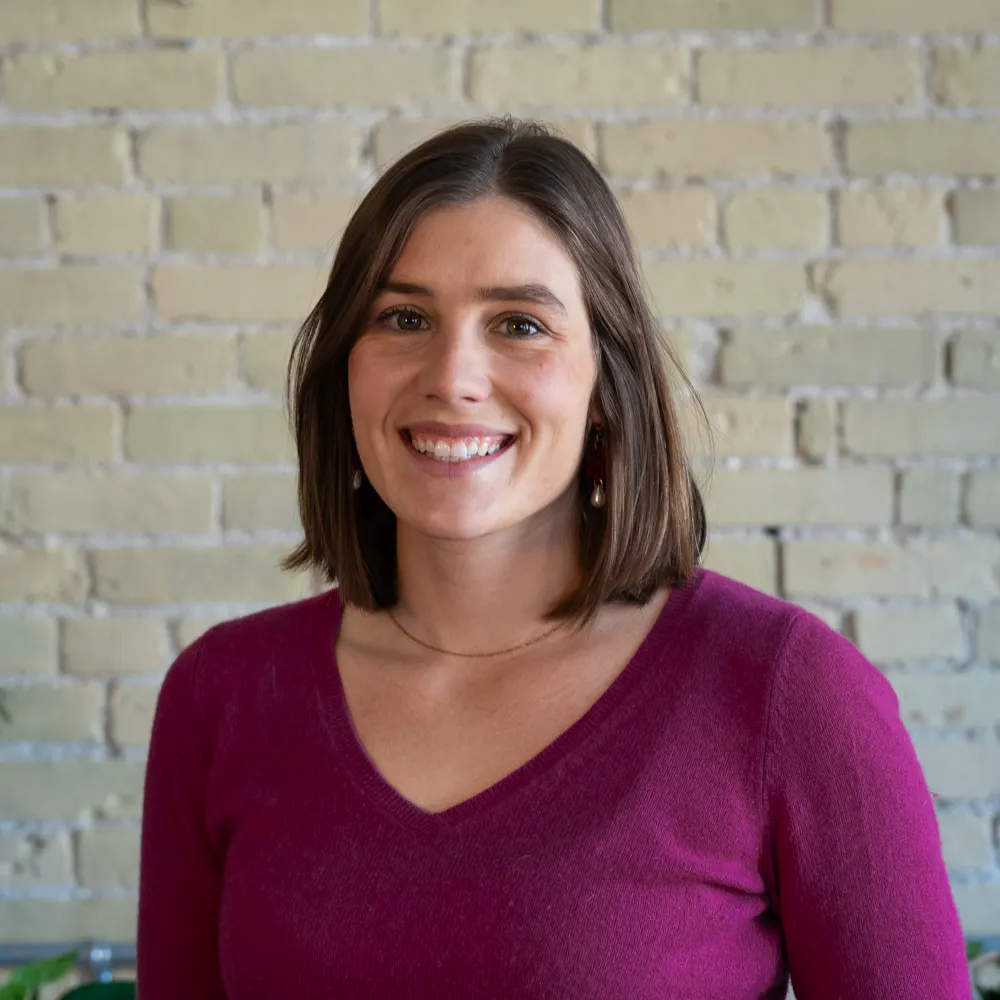
Maddy Mitchell
Environmental Field Technician
“I don't really know the specific details of what planners do or how to define it. ‘City planning’ doesn't encapsulate the scope and breadth of their work. They seemingly understand how people interact with both the natural and built environments, and they incorporate that into land use planning.”
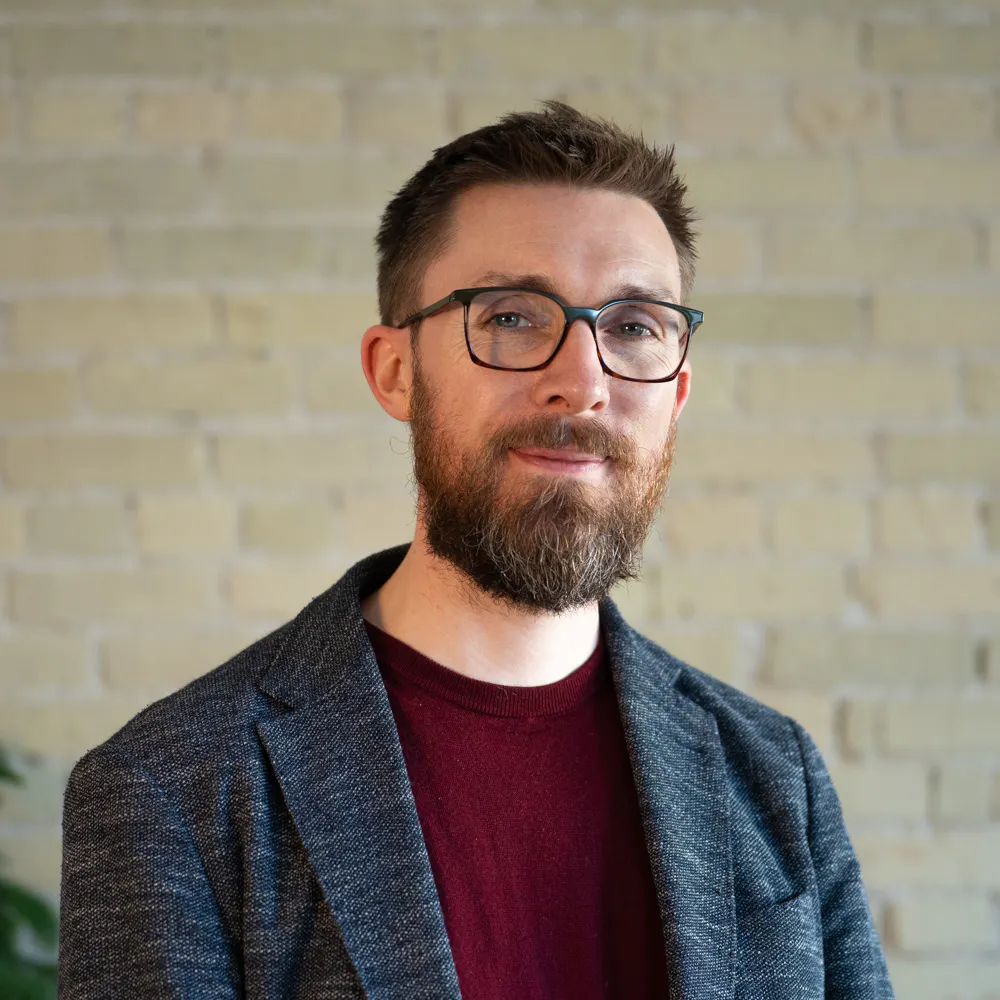
Paul Bell
Places & Community Lead | Senior Planner
“Planning is a messy practice of trying to figure out how we want to live in the places where we are. I say it’s messy because we have values, beliefs, and principles that differ from one person to the next. We all have a different sense of what it means to live in a place; planning is trying to bring this all together. But there is a flip side to it that is trying to bring structure and rules around things. It has very practical constraints, such as zoning, setbacks, and lot sizes, which sometimes contradict the messy reality of living next to someone. It isn’t always an easy experience, and even when it is easy, there will be negotiation around it.”
“So, planning is not just about built form; it stretches out into all the things: how we want to relate to the environment around us, how we want to relate to the people around us, what kinds of services should be provided, and what kinds of recreation we want included. I think part of the reason why we have struggled so much to have a definition around planning and our profession is that it’s messy. It has to be messy and that is okay. But planners don’t necessarily like that it is; our profession doesn’t necessarily like that it is. It wants structure and rules, but life is not that clean-cut, and neither is planning.”
As a planning intern and recent city planning graduate, my own perspective is that planning is about creating a public realm where all people and living beings feel safe, welcome, and represented. It is about designing environments in which everyone can thrive. Planning is also deeply contextual; what works in one place or setting may not work for another.
Even though everyone I spoke to had a different definition of the field, their insights primarily come down to three core pillars:
- 1
Planning is hard to define: Almost everyone mentioned that there is no singular “planning box.” It is much more than mapping or zoning within a city.
- 2
A focus on relationships to people and land: Planning does not just focus on physical structures; it is deeply tied to how people connect with their surroundings and one another.
- 3
Looking at the “bigger picture”: The team noted that planning often requires taking a big concept and breaking it down into contextually functional and realistic details.