


The Small Choices That Shape How We Raise Our Children
My parents were quietly and intentionally breaking generational cycles long before "cycle-breaking" became a common phrase, though I didn't realize it as a child. Growing up, they took us travelling, showed us the world beyond our front door, and challenged the prejudiced comments my brother and I occasionally brought home after spending time with classmates whose families held more narrow-minded views. They did the best they could with the information and tools available to them.
Today, I am raising kids in a globally connected world, with constant access to information about child development, parenting psychology and the science behind conscious parenting. I make a mindful effort to consider who I want to be as a parent and how I can put those values into practice in our daily lives.
I’m not a child development expert by any means, but my partner and I are paying attention and working to make our home safer, more informed, and more honest.
Here are seven small, deliberate parenting practices that guide our family:
1. Early exposure to Indigenous history and culture
When I was growing up, I didn’t learn about residential schools in Canada or their lasting impact until I was older. It is important to me that my children learn about Indigenous culture and history, including the knowledge and perspectives often missing from what we are taught. My kids, unlike me, have been learning about the legacy of residential and day schools since Grade 1. Their school invites Métis Knowledge Keepers to share teachings and lead smudging. Indigenous history and culture are woven into their education from the start. At home, we keep the conversation about truth and reconciliation going, answer their questions, and learn together as a family.
2. Teaching Consent and Bodily Autonomy Through Everyday Choices
Kindness and good manners are non-negotiable for me, but consent and bodily autonomy matter, too. If one of my kids doesn’t want to hug friends or family, we offer a high-five or a fist bump instead. From a young age, they have learned about “my body, my choice.” As they have gotten older, those conversations have expanded to include understanding other people's boundaries. When someone says no, you stop. No pressure, begging, negotiating, or trying to convince the person. My kids are told to expect the same respect for their bodily autonomy in return.
3. Different Lunches, Different Faiths, Bigger Worlds
Growing up in a small town, I remember the first time I met a person of colour. My kids, on the other hand, have had diverse circles of friends since they were babies in daycare. We talk openly about how someone's school lunch might look or smell different from their own. We also talk about how a friend's meal might be special to their family, and why we do not call someone else's food gross. We talk about religious diversity and how people can hold different beliefs. Being a good friend means respecting those differences rather than telling someone their beliefs are wrong or trying to convince them to change. Difference is not bad or scary.
4. Representation Matters
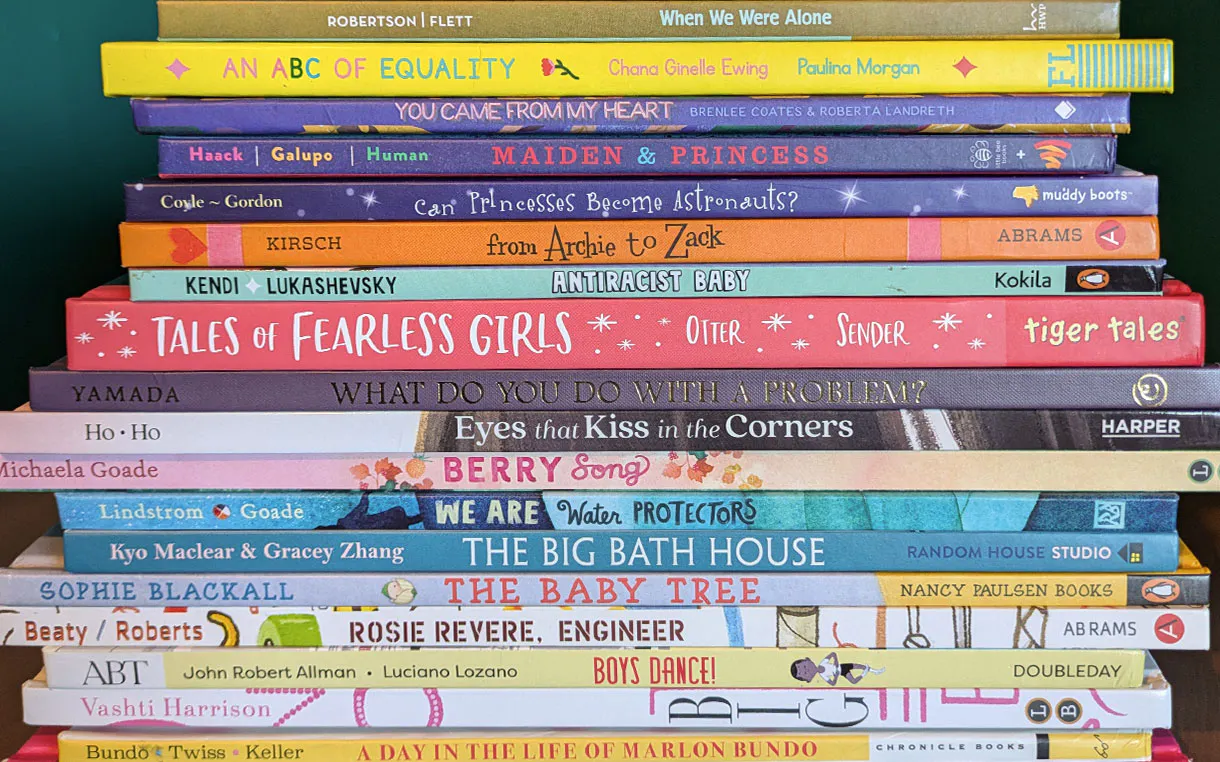
We deliberately fill our bookshelves and everyday conversations with diverse representation of family structures, races, body types and identities. We talk about how girls can love girls, boys can marry boys, and people can have relationships like mine and their dad’s. They know that having children is a choice, not an obligation. Most importantly, they see representation in everyday life. We show them that household chores belong to everyone who lives in the house, rather than being divided by gender. Through the people they know, they are familiar with the 2SLGBTQIA+ community. We reinforce that everyone deserves respect for who they are. My kids have called me out when I said, "Look how hard she's working." They remind me, "Mom, you should say 'they' because we don’t know how someone feels on the inside just by how they look on the outside."
5. Unlearning Early-2000s Diet Culture and Body Talk
I grew up surrounded by diet culture, celebrity magazines and entertainment news that normalized harmful ideas about beauty and body image. I am still unlearning those ideas. In our home, we never comment on other people’s bodies. I work hard to praise my kids' effort, curiosity, and kindness rather than their looks.
My kids are encouraged to try new foods, but if they do not like something, they can say so without guilt and choose another option. We don't label foods as good or bad, and my kids know they can stop eating when they are full rather than feeling like they must finish their plates. Food gives their bodies the energy to run, climb and stay strong. It is not a reward or punishment.
6. Therapy is not a last resort
I’ve been helping my kids develop emotional literacy since they were toddlers by naming big feelings, helping them recognize when they need to step away and reset, and supporting them as they learn to express their emotional needs. Both my children see a psychologist to talk through friendship challenges and things they find tricky at home. We talk about seeing a therapist the same way we talk about seeing the dentist: it is an ordinary, healthy part of taking care of ourselves. My genuine hope is that by normalizing mental health support now, they will feel comfortable reaching out to a trusted professional without shame when they are older.
7. Giving reasons instead of demands
Children deserve the same basic respect and dignity we give adults. I try not to talk down to them, minimize their struggles because their problems may seem unimportant to me, or use comparisons to shame them into better behaviour. For example, I avoid comments like, "Look how nicely that kid is sitting. Why can't you?" When we set a boundary or rule, we explain the reasoning behind it and how it helps keep everyone safe. I want my kids to grow up trusting themselves, advocating for what they need, and understanding that their feelings are always valid, even when a boundary is in place.
I am definitely not perfect.
I still catch myself slipping back into old habits I picked up when I was young. However, I am learning to notice them, pause and adjust as I go.
The state of the world can feel heavy, and it is easy to become overwhelmed. But I find that making small changes in our daily lives gives me a glimmer of hope. We won't fix everything at once, but we can keep breaking generational cycles and moving forward in a good way for future generations.