



Plans as Springboards
In Cree, Chemawawin means “the net cast between two boats.” It speaks to connection, cooperation, and shared purpose. These same values sit at the heart of two award-winning plans developed by Chemawawin Cree Nation (CCN) in Manitoba. The Land Relations Plan charts a 20-year path for community development, while the Environmental Management Plan protects the lands and waters that make that future possible. Together, they show what community-led planning looks like when it sets people and their relationships to the land as its foundation.
CCN is located about 400 kilometres north of Winnipeg, on the shores of Cedar Lake. In 1962, the community was forcibly relocated from its ancestral home at Old Post to make way for hydroelectric development and the construction of the Grand Rapids Generating Station. The flooding that followed destroyed habitats, disrupted livelihoods, and severed a deep connection to the land.
In 2010, CCN ratified its Land Code under the Framework Agreement on First Nation Land Management. This replaced 44 provisions of the Indian Act and gave the Nation the authority to govern its own lands. But authority alone does not build houses, protect ecosystems, or feed families. CCN needed plans that fit the community’s real conditions: remote geography, shallow bedrock, overcrowded housing, and a population where 58 percent of members are under 25. With its Land Code achieved, the Nation set out to manage its territory and territorial interests. That meant nothing could be prepackaged or "off-the-shelf."
The Land Relations Plan
CCN set out to create a plan for its lands that would honour its history and the connection between people and territory, it wasn’t merely about regulating land use. It needed to animate a responsibility to protect the land and resources, while honouring the work that the land does to provide bounty for its people. Crucially, by taking the notion of relations seriously, the questions of resources, capacity, and goals became central.
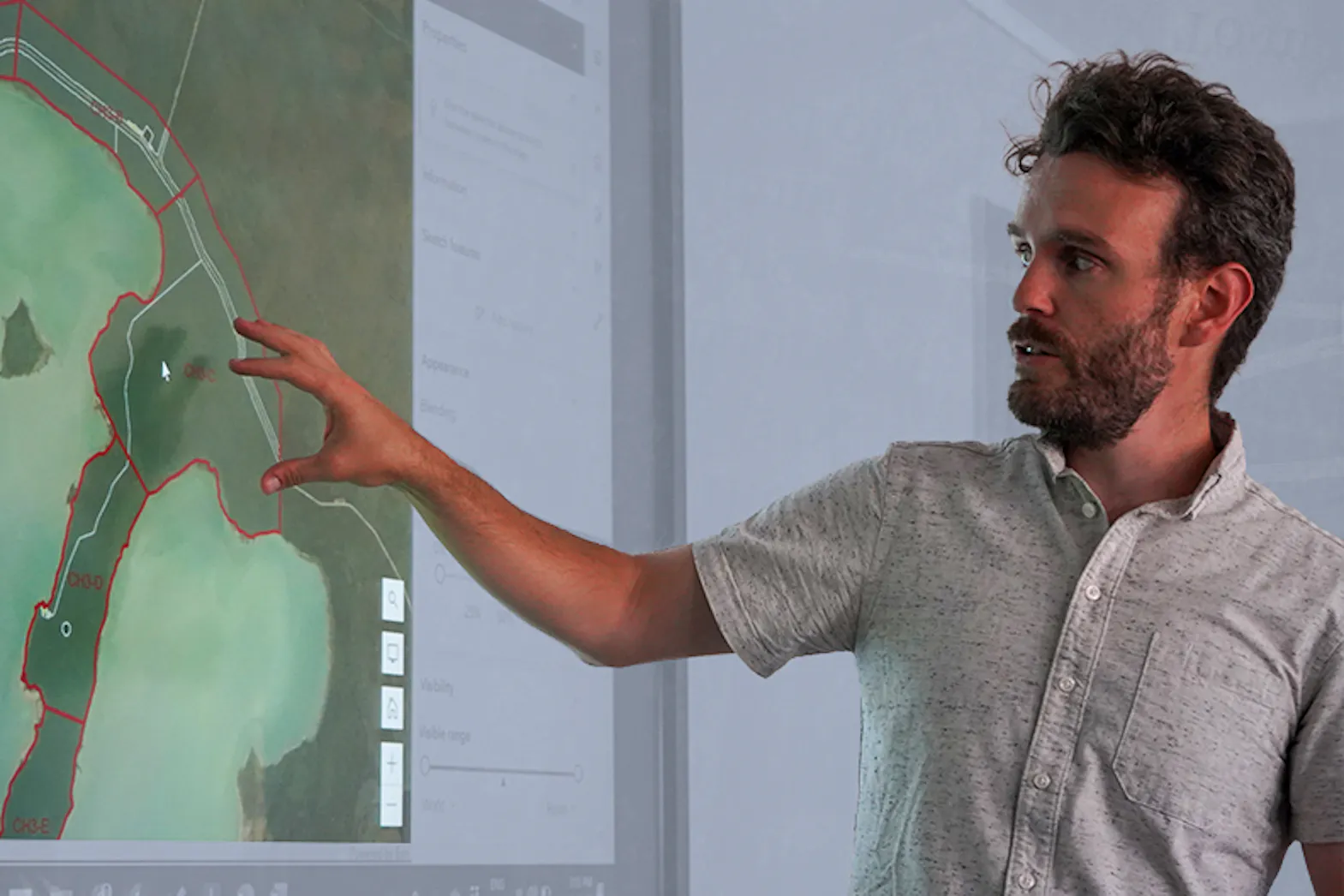
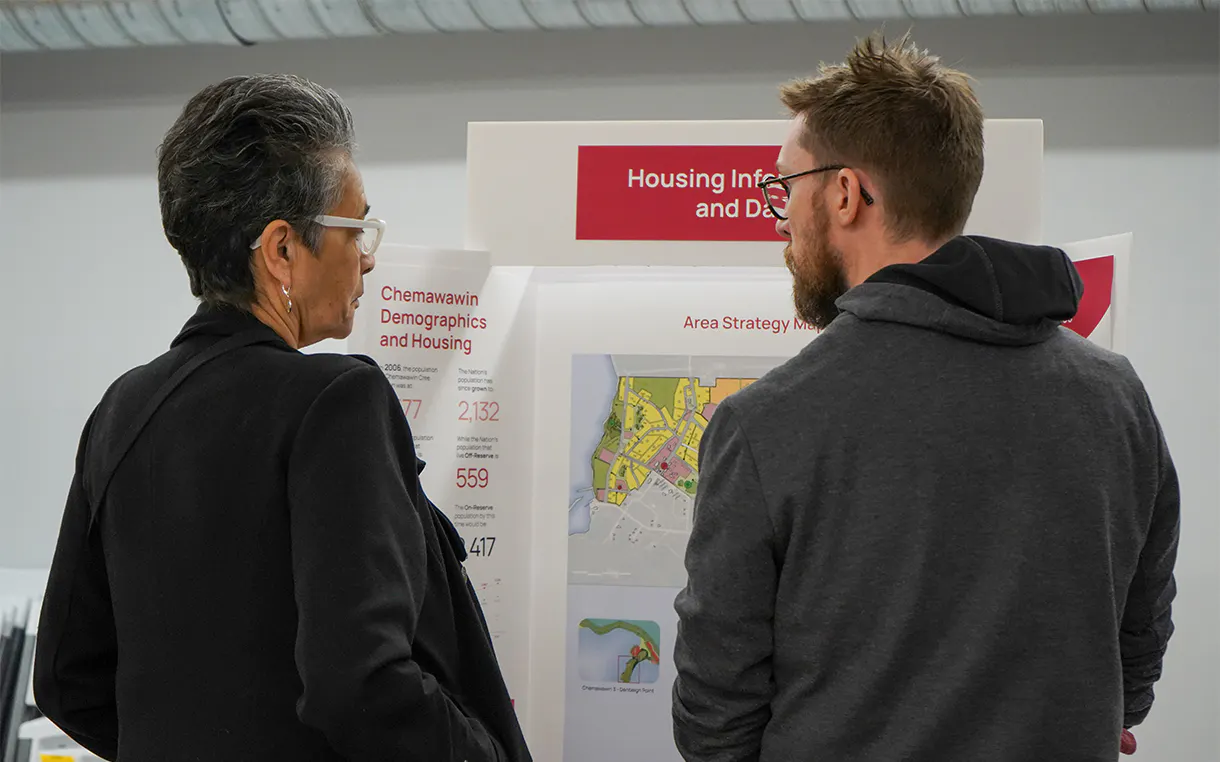
The plan was shaped through a multi-phase community engagement process, including workshops, story-sharing sessions, digital mapping, and surveys that reached both on-reserve and off-reserve members. At a final Meeting of the Members in April 2024, 62 people submitted their votes. All 62 voted in favour.
What makes the plan stand apart is its commitment to real-world implementation. Many community development plans on First Nations reserves struggle because they assume the same institutions found in cities and towns: zoning boards, building inspectors, and dedicated planning staff; frameworks that often do not exist in the same way on-reserve. The Land Relations Plan addresses this head-on with a two-tiered approach. Binding Land Relations Policies set clear rules, while flexible Area Strategies offer practical, adaptable concepts for how development could unfold across the community. The plan includes its own permitting procedures and flow charts so that the community can act on its vision without depending on outside support.
Announced June 24th, 2026, the Land Relations Plan has received the 2026 Award for Planning Excellence from the Canadian Institute of Planners.
The Environmental Management Plan
The Environmental Management Plan (EMP) grew directly from the foundation laid by the Land Relations Plan. Where the Land Relations Plan sets the community’s development roadmap, the EMP builds the environmental protection regime required under the Land Code.
The EMP covers 11,788 acres of reserve land and nearly one million acres of co-managed territory in the Cedar Lake Resource Management Area. It is one of the first comprehensive environmental management plans developed under a First Nation Land Code in Manitoba.
Rather than applying a generic environmental framework, the EMP was built around the specific challenges CCN lives with every day: contamination from historic flooding, invasive species like zebra mussels threatening Cedar Lake, aging groundwater wells, and growing wildfire risk tied to climate change. It braids traditional Cree knowledge with Western environmental science, ensuring that Elders, Knowledge Keepers, and community members guide how the land is cared for alongside modern technical experts.
The plan is already producing results: community members have been trained and deployed as Environmental Monitors, CCN holds a Marine Stewardship Council certification for sustainable fishing practices on Cedar Lake, climate adaptation strategies are underway, and contaminated sites are being assessed and remediated. Additionally, youth are being trained through Guardian programs, building the next generation of environmental stewards.
In 2025, the EMP was recognized by the Commonwealth Association of Planners with an award for Planning for Human Settlements.
Plans Ought to be Springboards, Not Dust Collectors
Since adopting these plans, CCN has launched a housing strategy, created a development database, hired Climate Coordinators, a Fire Manager, a Garden Coordinator, and Environmental Monitors, and produced a standard operating manual for development approvals. These are not documents gathering dust; they are living tools that the community uses to make decisions, build capacity, and move forward on its own terms.
At Narratives, we had the privilege of supporting CCN through the development of both plans. Every community we work with is different. The work is never to deliver a one-size-fits-all solution. It is to listen, to understand, and to let a community’s story of past and future be a guide for the community in building its own tools to meet its needs and to chart its own course.