



What is Clean Energy?
Should Clean Energy be something we celebrate? When it comes to clean energy, such as solar, wind, or hydroelectricity, there may be lots to celebrate, depending on where you live in the world. But there’s also a lot that shouldn’t be celebrated.
Energy is something most of us use every day, if not nearly every moment of the day. Whether it’s the energy stored in the cellphone in your pocket, the power running the computer you’re reading this on or the lighting in the room you’re in. Many of us don’t consider where that energy comes from or what impact it might have. Moments like Clean Energy Day invite us to take a moment to reflect on how our energy is created, and how we can raise awareness and advocate for more sustainable, ethical, affordable, and accessible sources of energy.
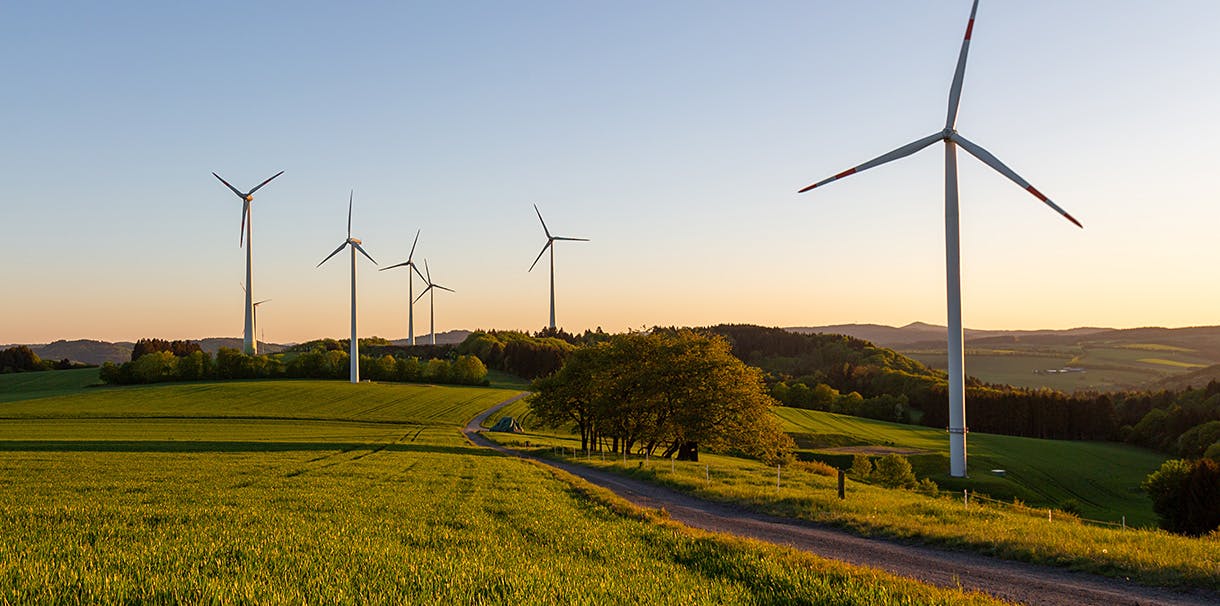
Even though they are flawed, wind, solar, hydro, and other clean energy solutions are vastly superior to the mining and burning of fossil fuels, which are largely tied to climate change. Wind farms can impact bird, bat, and animal migration patterns, and hydroelectricity, although emitting relatively few emissions during generation, can significantly alter landscapes when dams are built. These projects often flood ecosystems, change waterways, and displace communities. These are the parts that should not be celebrated.
Although it is important to understand and acknowledge these critiques, their impacts pale in comparison to the harm caused by the extraction, processing, transportation, and burning of fossil fuels.
No matter where our energy comes from, there is a cost, and some costs are higher than others.
This is not meant to be a critique of clean energy, but rather a prompt to consider the true cost of energy wherever you live and to advocate for the appropriate changes needed within the system. This may look like emailing your local politician or energy provider to voice your concerns or joining a local energy advocacy group.
In some areas of the world, access to electricity from renewable sources is limited. In Canada, some communities are reliant on fossil-fuel intensive systems that are extremely vulnerable to outages. Access to electricity is a piece of the clean energy argument that is sometimes overlooked. Many clean energy systems can be localized to better support rural communities’ needs and reduce emissions. Days like Clean Energy Day can be an opportunity to research these places and see if there are local charities or advocacy groups tied to these communities or issues that you could support.
For those of us with access to reliable energy, we can also take the time to consider our own impacts. The only true zero-impact energy would be reducing our consumption altogether. This may look like putting house lights on timers, walking or biking to work, or using energy-efficient appliances at home. Although we use energy every day, occasions like Clean Energy Day ask us to advocate, raise awareness, and make changes in our own lives towards clean energy solutions that are sustainable for both people and the planet.