



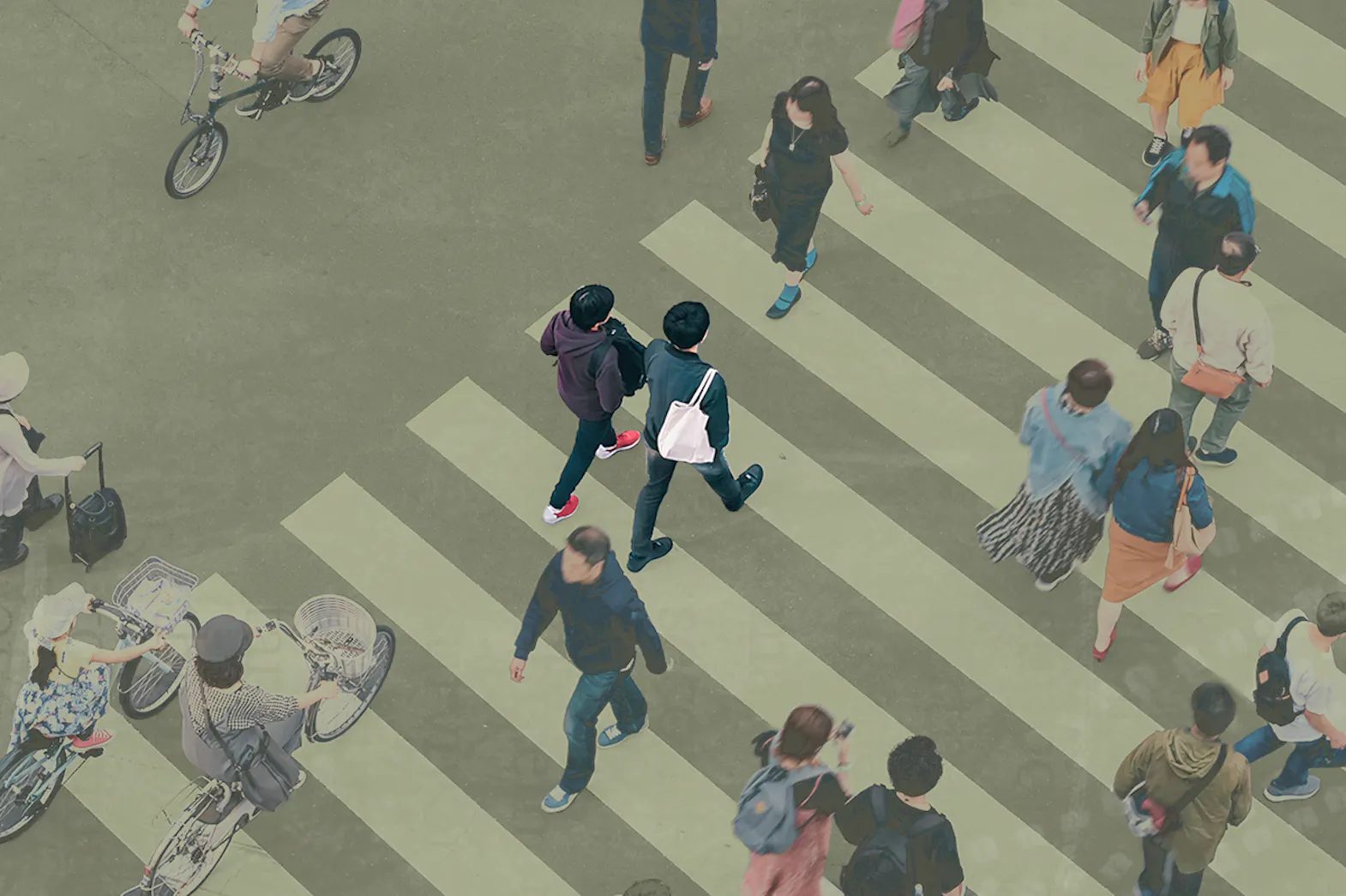
June 27th marks the one-year anniversary of Winnipeggers finally being able to walk across Portage and Main after nearly half a century of the intersection being closed to pedestrians.
To the surprise of many who were initially critical of its reopening, Portage and Main did not end up having a disastrous effect on downtown Winnipeg. Not being able to cross the street at Winnipeg’s infamous intersection seems like a distant memory, but it was originally the subject of intense scrutiny and public debate.
The famous intersection was originally closed to pedestrians in 1979. This decision was primarily based on a deal made with Trizec Corporation to revitalize downtown by redeveloping the southwest corner of Portage and Main. One of the conditions of the deal was building an underground concourse and closing the intersection so that pedestrian traffic would go through the Trizec-owned Winnipeg Square instead.
The underground concourse was also lovingly known by many as the “circus.” While this nickname was primarily adopted due to its circular shape, navigating it could feel like a literal circus. All street entrances that are managed completely by the City of Winnipeg used stairs only. Elevators to the underground concourse were located on private property, which meant they were often inaccessible in the evenings and weekends. For some of the elevators, there was no clear signage pointing out that the public could use it to enter the concourse. This became a significant issue not only for those who relied on wheelchairs or other mobility aids, but also people like parents that needed to get a stroller down the stairs.
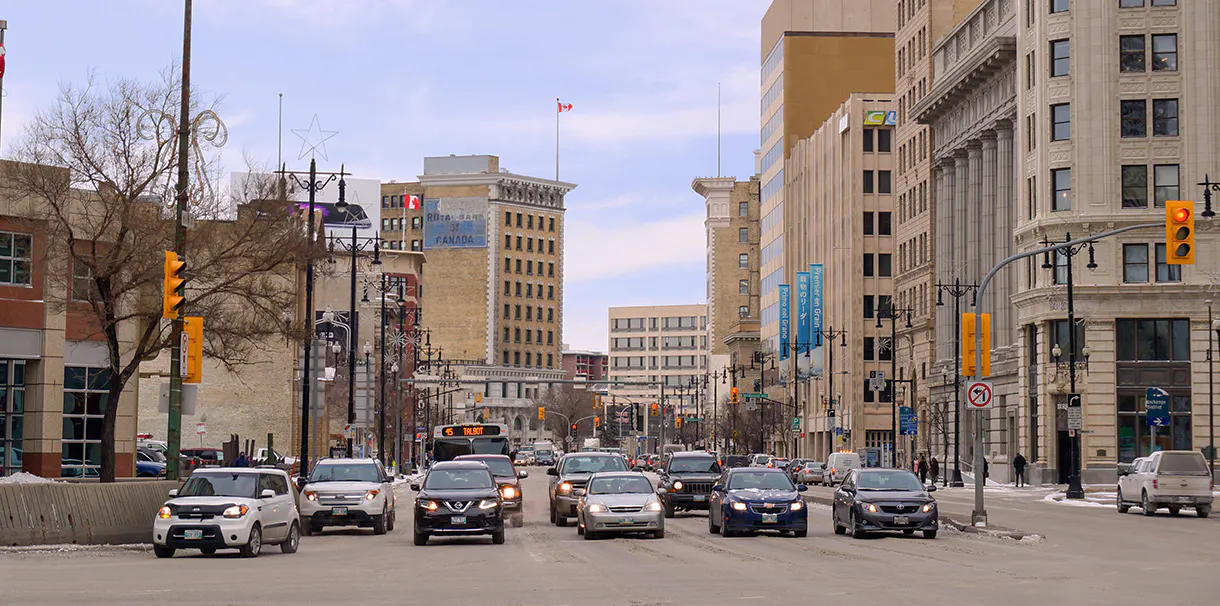
Even if you were able to access the concourse, it did not mean that you would be able to easily get around. A few years ago, one of my classmates, a newcomer to Winnipeg, was trying to make their way from Graham Avenue to Lombard Street. Because the intersection was still blocked, Google Maps told them the quickest way to get to their destination was through the underground concourse. Due to a lack of proper wayfinding signs, she ended up getting lost and needed to call a friend to help her navigate her way out. What should have been a quick ten-minute walk turned into a confusing half-hour lost beneath the intersection. Inaccessible spaces do not only affect those who face mobility issues; they impact anyone entering the space, creating a huge metaphorical sign that basically says, “not everyone is allowed here.”
Today, the intersection has been redesigned to include critical features such as accessible curb ramps, audible pedestrian signals, and leading pedestrian intervals that give those walking a head start. While these features can easily go unnoticed, they make the intersection more intuitive and benefit a large group of people like newcomers, seniors, parents, or those who have mobility challenges. These design decisions make a large difference between inspiring independence and enforcing isolation.
Connectivity within downtown is vital to a vibrant urban fabric. Confusing intersections, hostile pedestrian environments, and unclear pathways deter people from taking the time to walk about. The reopening of Portage and Main to pedestrians marks a considerable change in the narrative of downtown Winnipeg, a narrative that is only now starting to unfold. Opening Portage and Main will not instantly solve the many challenges that downtown Winnipeg faces; rather, it is a moment in time where we can say “Yes, come walk downtown” and traverse our city with one less barrier to navigate, and many more possibilities in front of us.