




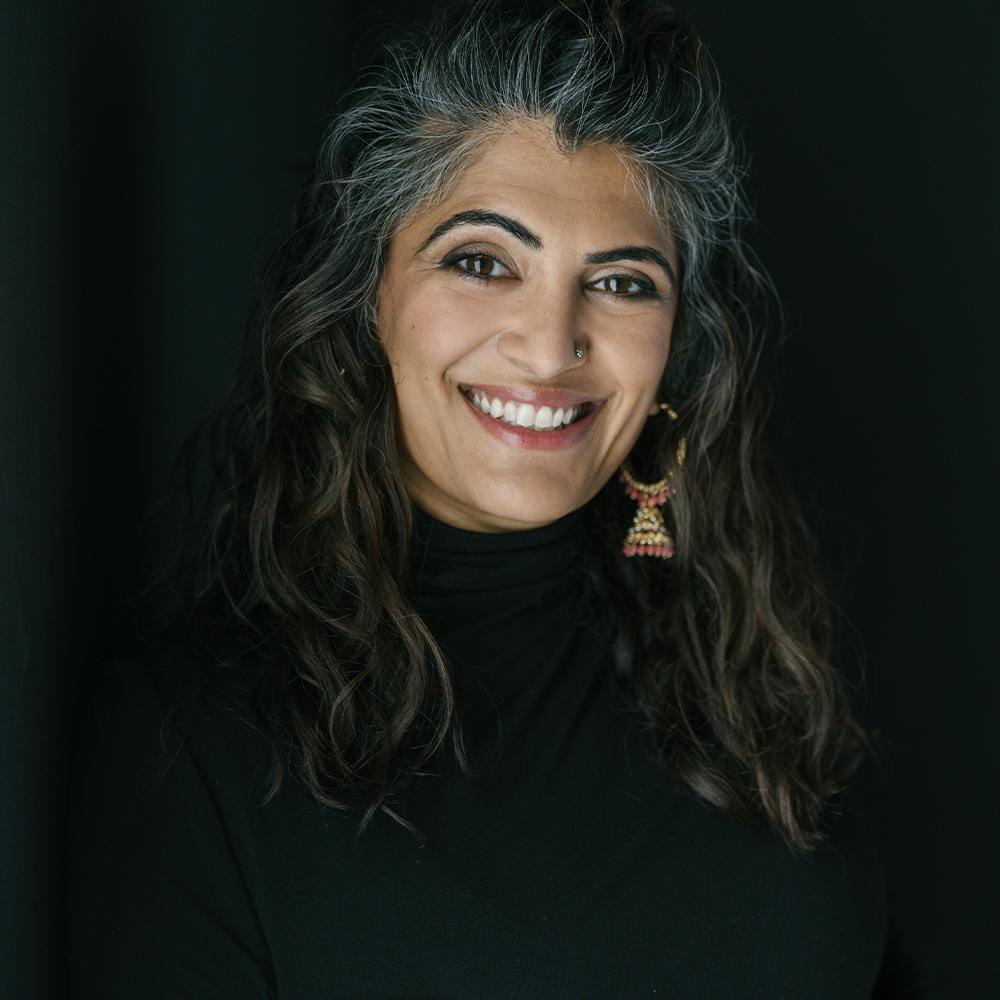
Somia Sadiq
When I first started my career as a newcomer, I quickly realized that I wasn’t just navigating a new industry. I was navigating a tide that felt like it was constantly pulling against me. I remember those early days vividly. I felt the weight of having to prove my worth in spaces where my credentials were questioned, my identity as a person of colour was constantly a barrier, my age another barrier (I was “too young” to be insightful), and the fact that I was woman? How could I possibly compete with men with a lighter shade of beautiful (to borrow a term from my brother Devon Clunis)? Ultimately, my newness to the country, to the career, meant I worked harder than most around me, often running a race where the goal post kept moving.
In those moments of never-ending hustle, I vowed that if I ever reached a position of leadership, I would never allow myself to become the barrier. I refused to be the person who said “not yet” simply because someone hadn’t clocked enough years or didn’t fit a traditional mould – a mould very much not designed for women to succeed.
At Narratives, we have intentionally dismantled the idea that time is the primary metric for career growth. We believe if you have the skill, are willing to learn, put in the work, and are willing to coach others, you shouldn’t have to wait for a calendar to tell you when you’re ready to lead or how. Whether you are a recent graduate or a newcomer to the country, your potential isn’t a future date. It's a present reality.
We foster early career growth because we know that trust is the greatest accelerator. When you trust someone before they feel ready, that is where the magic lies. You empower people to trust themselves, to write their own story. The story may not be perfect – heck, far from it, but it's their story and we’re happy to be a part of it.

Eden Klein
I'll never forget my first summer internship with Narratives. Even though it was almost seven years ago, the experience is one I still hold close to me because it was one of the richest learning periods of my life. At that point, I was an undergraduate student with little to no professional experience, and everything about the world of consulting and community-based work was utterly new. I remember every time I told my mom about my new job, her response was the same: "I can't believe you're getting paid to learn all that!" I think I soaked up more information in those few short months than I had from years in university. So naturally, I jumped at the opportunity to turn this internship into a career.
There were many factors that made Narratives such a rich learning environment (and still do today), but what struck me the most was the abundance of trust I was shown time and time again. It was trust well beyond what I had in myself. When you're young, inexperienced, and a new intern, it can be easy to believe the lie that you have nothing of value to offer. But in action, I was being offered a powerful counter-narrative that set the trajectory for my growth. I was constantly being encouraged to bring my own ideas and solutions, rather than just being told what to do and how to do it. I was being invited to walk outside my comfort zone and pushed to take leaps, even when I didn't think I was ready. And I was being offered gentle support and thoughtful guidance all along the way – a reminder that even though my growth was mine to take ownership of, I wasn't alone in it either. From day one, I felt like a trusted, valued part of the team rather than "just an intern".
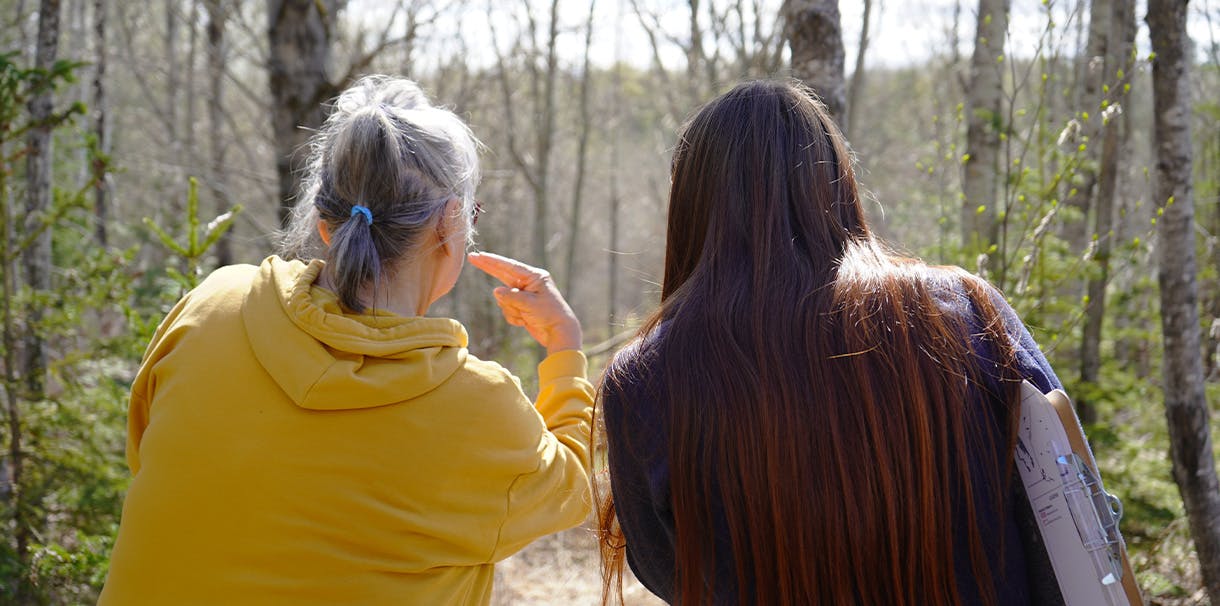
With every example I reflect on, it would start in little ways. First, I would be invited to sit in and observe interviews with the Elders as they graciously shared their knowledge with us. Afterwards, our team would debrief to reflect on what we were learning and how we could adapt. Then I was encouraged to be the interviewer asking the questions. At first, I was nervous and unsure, but I did it. And sure, I made mistakes, but we would debrief again, and I would know how to improve next time. Eventually, leading interviews came naturally, and I stepped into a task lead role, developing the interview questions and coordinating with the community to organize engagements. As the years went on and I built these skills, I would come to also learn about the financial side of projects and hold the additional responsibility of balancing budget, scope, and timeline considerations as a project manager. Another internal moment of hesitation, a leap, and a lot of learning. Eventually, I stepped into the project director leadership role – and while I felt those same nerves as when I was first asked to lead an interview, I knew that because I had spent years doing every stage of the technical work, building relationships at the community level, and learning from my mentors, I would be able to bring a nuanced and strategic approach to leading projects, even if I still didn't feel ready.
Now, as I look back, I realize just how special it was to be treated with trust during such a formative time in my career path. Being trusted in that way instilled a deep sense of honour, responsibility – and sure, some imposter syndrome! But each and every time, it was rewriting and reinforcing a new narrative about myself that shaped the way I would show up in my career for years to come. Beyond the wealth of technical skills I was building, one of my biggest learnings from this period as an intern was the realization that other people were able to see potential that I hadn’t yet recognized in myself. This helped me expand my imagination of what I was capable of and inspired me to be someone who can hold that space for others to step into their potential as well. As I've moved from intern to Environmental Planner, Project Manager, and now Project Director, I hope to offer the same supportive learning environment at Narratives for others early in their careers.

Heather Webb
Thinking back to being a university student, I knew how important it was to get a foot in the door and learn as much as I could to make it in the industry. Having held numerous part-time jobs and summer internships, I was seeking a role that would build my skills in community engagement and project leadership. In came Narratives, and my eyes opened wide on what investment in early-career professionals looked and felt like, and what it meant to have my skills seen and trusted. This trust and this dedication to my growth brought me from an environmental planning intern to a project director in the span of almost seven years, where I have learned more than I thought possible in what it means to be a leader.
Throughout these past few years, I have been reflecting on some of the key experiences and projects, and the positions I have held, that brought me to this place.
Beginnings as an Environmental Planning Intern
The first project I ever worked on at Narratives was the Harmonized Impact Assessment for the Highway 17 Twinning Project in Treaty #3 in northwestern Ontario. In my first few weeks on the job, I was thrown into community engagements – coordinating logistics, supporting community workshops, conducting knowledge gathering interviews with Elders, conducting data analysis, and writing reports. These first few months were a crash course in consulting and community work, and at times felt overwhelming, and the imposter syndrome was ever present. It was during this time that I learned my place was more than a summer internship; it was a place to build and nurture essential skills in communication, time management, and active listening that I would bring with me throughout my career and would propel me into leadership in the years to come.
Growing as a Project Manager
When I became a project manager, the first project I managed was the Land Managers Toolkit with Grand Council Treaty #3, where I got to work on a passion of mine – making impact assessment processes accessible. Through this project, I was given the opportunity to oversee the budget, allocate hours for tasks, all the while leading engagement and development of the toolkit content. This project was not without mistakes and challenges, but those mistakes led to lessons, and those lessons led to growth. I learned how to allocate budget and time effectively, communicate tasks, and set up and see through a project from start to finish. I also learned a lot about myself and the ways I wanted to function as a leader on my next project.
Supporting Others as a Project Director
The first project I was brought on to direct is the Territorial Review Services Project, which supports several Nations in Treaty #3 in screening projects and policies for impacts to Inherent and Treaty Rights. Here, my role grew from providing technical support and managing budgets to providing strategic oversight for the project for the client. I now must think big picture and support the project team in understanding their roles and how their work supports the overall project goals.
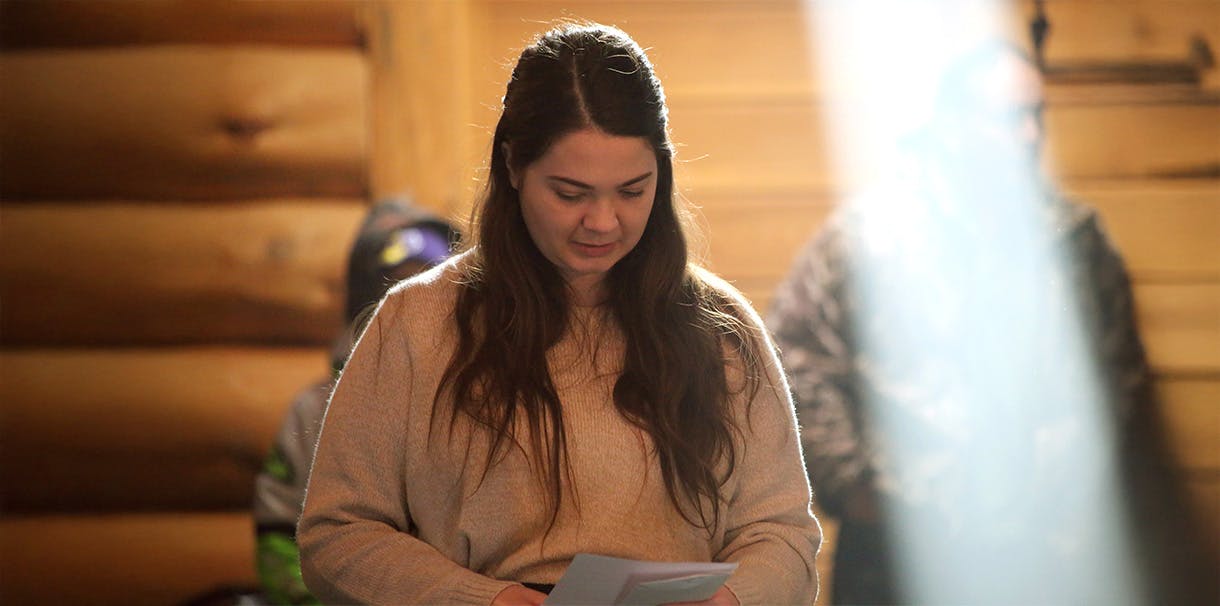
Since becoming a project director, I have found it to be a position made up of all the skills gained from being an intern through project manager. I still need to communicate effectively, participate in community engagement, and understand a project's financials. But now, I get to provide strategic direction on projects and work directly with clients, building relationships and helping to grow our practice.
One of the biggest components of being a project director is mentoring and coaching junior technical staff and interns, as I was once mentored and coached. It means trusting their capabilities and expertise in the ways that I was trusted as an intern. But it also means standing alongside them, supporting them when they fall, and cheering them on to keep going. I was once in this position, and I recognize how important it is to support early-career individuals in growing their skills, building their confidence, and fostering trust in themselves to help them thrive in their careers. It is through providing this mentorship that I have seen how much I have grown. I am answering all the questions that I once asked but now come as second nature to me, yet all the while still leaning on those who have supported me.
This is one of the areas that Narratives does things best – we are a space where you can grow, explore, and think outside the box, but we also support those who come after us in doing the same.

Bryce Dooley
Together, these stories reflect our intentionality about how we work at Narratives. Trust is not reserved for a specific title, role, or tenure. It is something that is given in the beginning to all staff. Early career growth in a career requires opportunity, room to make mistakes, and the space to learn from those mistakes. This opportunity is the type of investment we are glad to make.
What makes this approach sustainable is our commitment to mentorship. At every stage, staff receive guidance, coaching, and a willingness to stand with them in uncertainty. This has allowed interns to grow into leaders and leaders to become mentors themselves, carrying forward the trust that they were given early on. This is a standard we continue to uphold, not just for our current staff, but for all future staff who will join our team.