



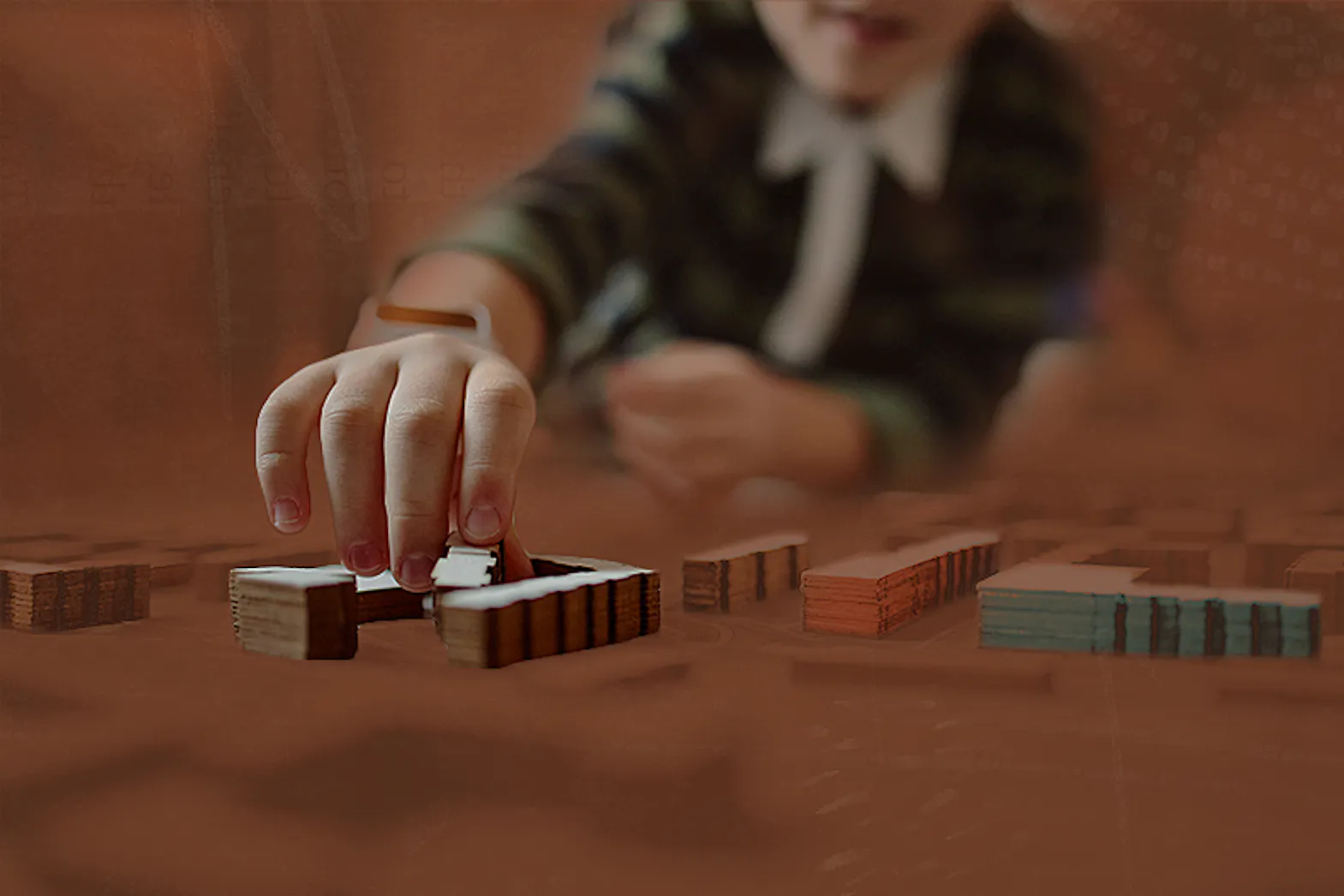
I will be honest, being a planner was not something that I thought I would grow up to be doing.
It really wasn’t something I thought I wanted to do until I was close to finishing my undergraduate degree.
This wasn’t because I did not think planning was for me; I just wasn’t aware that this was even something that people do for a living! Despite how fundamental the profession is to how our built and social environments are shaped, it was not something that was discussed while I was in school. This appears to be a common experience, as most people don’t know of or understand urban planning until they are well into adulthood. As a result, many people don’t understand the invisible frameworks that shape their daily environments.
Growing up, did you ever wonder why a road was built or why your neighbourhood is located where it is?
By exposing young people to city planning earlier in their education, it gives them the ability to understand who makes these decisions and how they happen. It also provides an opportunity for students to connect other topics like climate change, politics, economics, and public health to their environments in a more tangible way. It enhances youth civic literacy and highlights the vital role that they have in these community processes.
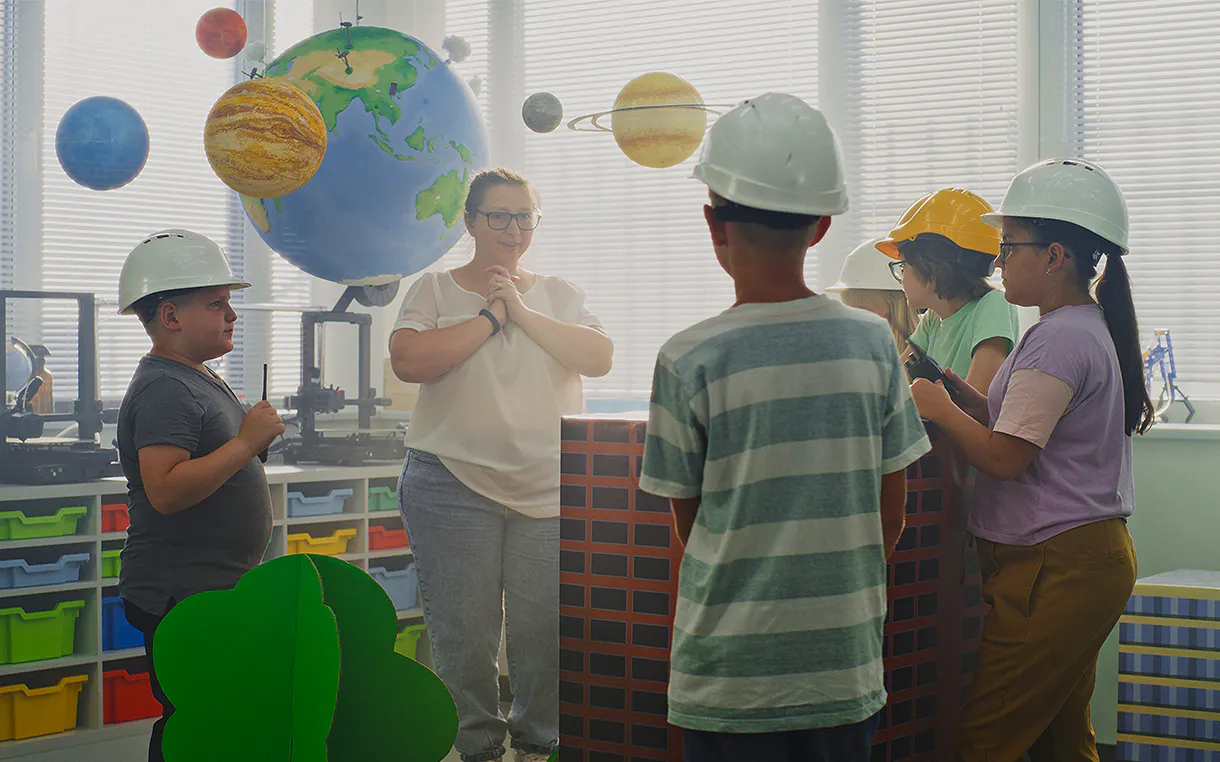
Incorporating planning into early education can also help students gain interest that may lead them to a future career path in the field.
Most kids growing up are familiar with architects, engineers, and politicians, but sometimes those specific roles do not encapsulate exactly what they are looking for.
At first glance, planning may not seem all that interesting to a young student. Writing reports and providing recommendations may not sound as appealing compared to designing buildings. However, giving youth the option to learn about it earlier on with more in-depth information and how it connects to other topics can help convey the more interesting and satisfying parts of the field. By incorporating it earlier into education, it can give youth the opportunity to pursue the field with a clear sense of purpose, rather than realizing it is something they wanted to do mid-way through their post-secondary education, as was my experience.
Some places have already started incorporating planning for youth. CanU is a Winnipeg-based organization that partners with the University of Manitoba (UM) and non-profit organizations to provide free mentorship and educational opportunities for young students. Through their partner programs with the UM Faculty of Architecture and Kahanee, a non-profit grassroots organization, youth participants engage in workshops to understand how cities are built, why they are designed the way they are, and how to care for our neighbourhoods.
The Level Up Winnipeg initiative, hosted by Microsoft and the City of Winnipeg, is another project that got students to critically think about what they would like Winnipeg’s downtown to look like using Minecraft. It gave youth an interactive opportunity to learn more about their city and feel like they are part of the building process. In other provinces, like Ontario, Urban Minds leads 1UP Youth City Builders, a yearly leadership program focused on youth residents shaping equitable and sustainable cities. The Ontario Professional Planners Institute (OPPI) has also developed a Grade 9 Unit of Study introducing the planning profession to high school students in 2025.
Sitting in a classroom and listening to a lecture about planning is not the most fun way to learn about it, but professionals in the field, educators, and parents have several other ways they can incorporate planning into youth education:
- 1
Participate or join community initiatives/organizations that are doing similar work. As mentioned earlier, some of the programs like CanU offer insight on how planning works and their role in planning. These organizations provide a variety of hands-on activities and give participants the opportunity to meet others of similar ages.
- 2
Go on a walk around your neighbourhood or to your favourite public space. While on your walk, start asking questions like why this space is enjoyable, how other spaces can be just like that, what kind of buildings are in the area, and how these areas can better support other people through more accessible ways like accommodating parents with strollers, elders, adaptive equipment, visually impaired individuals, or non-English speakers.
- 3
Play with city-building toys or games. Encourage youth to plan and build their own communities through LEGO or games like Minecraft and Cities: Skylines. These tools and games get youth to understand the processes of how places are built and how different things like roads, services, and places connect.
- 4
Draw or collage your community. Hands-on activities like these have students thinking more critically about how communities are built, opening opportunities for them to consider what they view as important to them in their communities.