



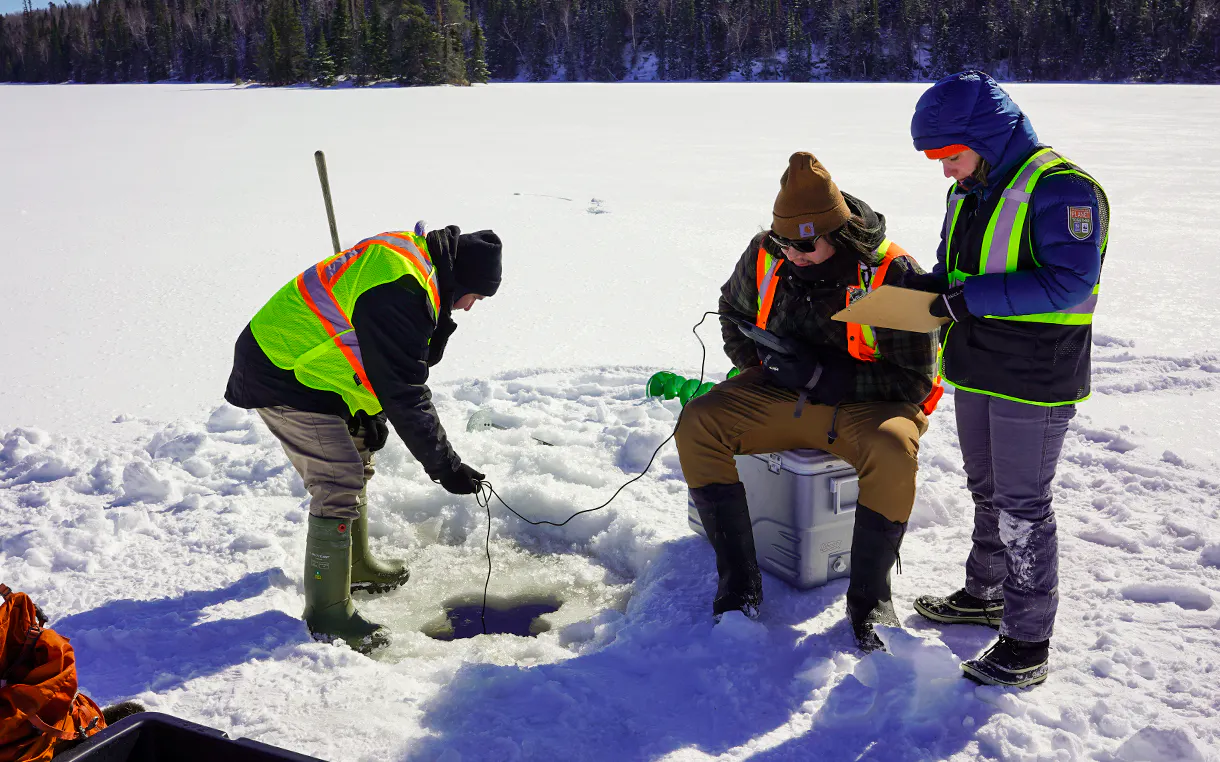
It was February and we were on a vast frozen lake in Northern Manitoba, many kilometres from shore.
The Guardian leading our convoy of snowmobiles stopped, circled once, and cut his engine. His handheld GPS had died in the cold and he had gotten us there on memory alone. We were looking for a waypoint where we would collect water quality samples as part of a long-term community-led water monitoring initiative, and I reached for my own GPS unit to see that, incredibly, we had arrived at the coordinates exactly.
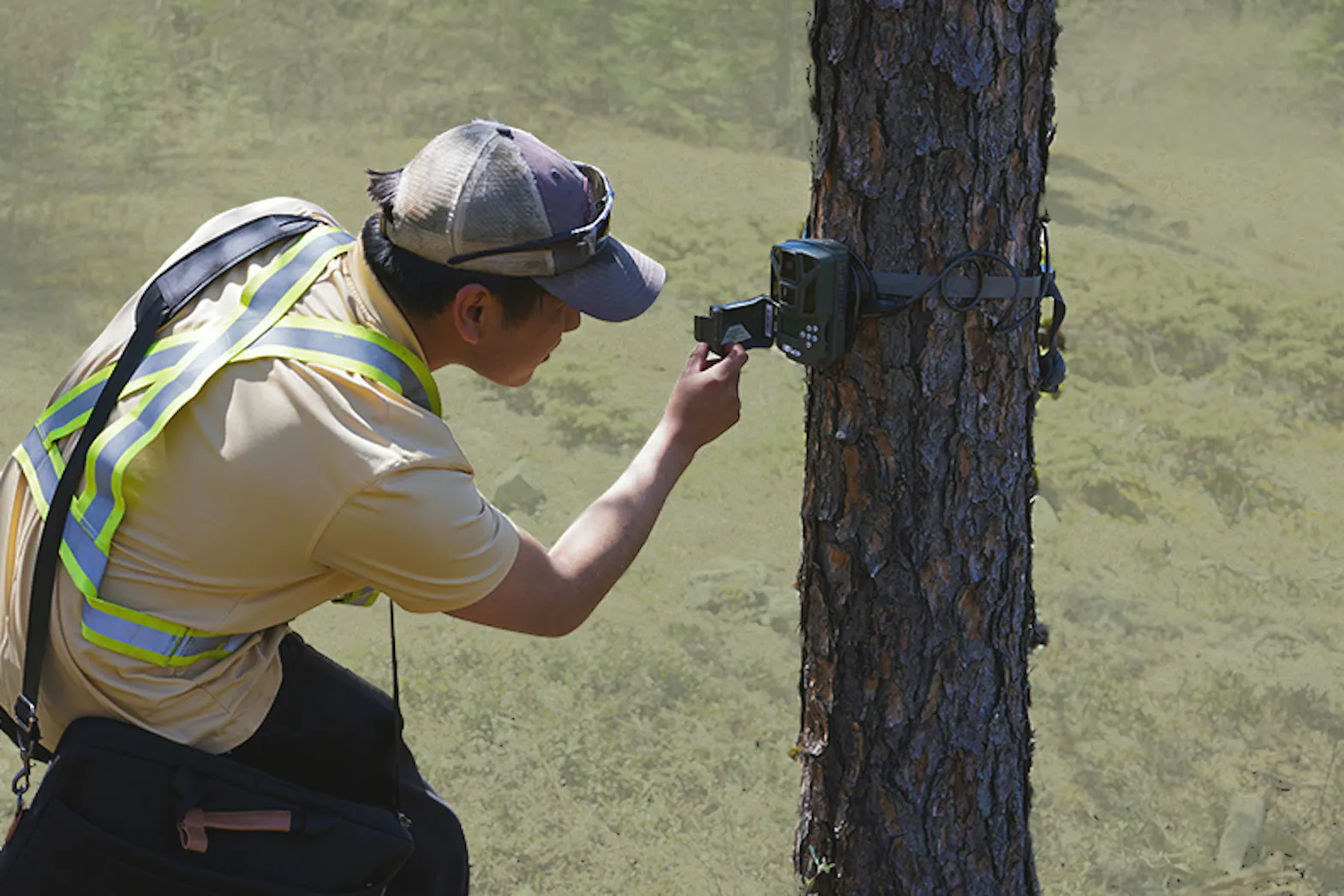
The Guardians were training in water quality monitoring: learning to use industry-standard equipment while following rigorous scientific protocols. But their training was only building on something much more significant. This team carries with them the knowledge of those lands and waters built over a lifetime, passed down through generations long before any ‘Guardians Program’ was officially formalized and funded.
An Indigenous Guardians program is not a new idea being introduced to a Nation; it is a relationship with the land that already exists, that is now being resourced, equipped, and documented. And increasingly, it is how Nations move their land relations plans off the page. This approach to environmental monitoring is more comprehensive because it harmonizes Western science’s best practices with a lifetime of knowledge of the lands and waters, sampled by those who care, season after season, year after year.
What an Indigenous Guardians Program Does
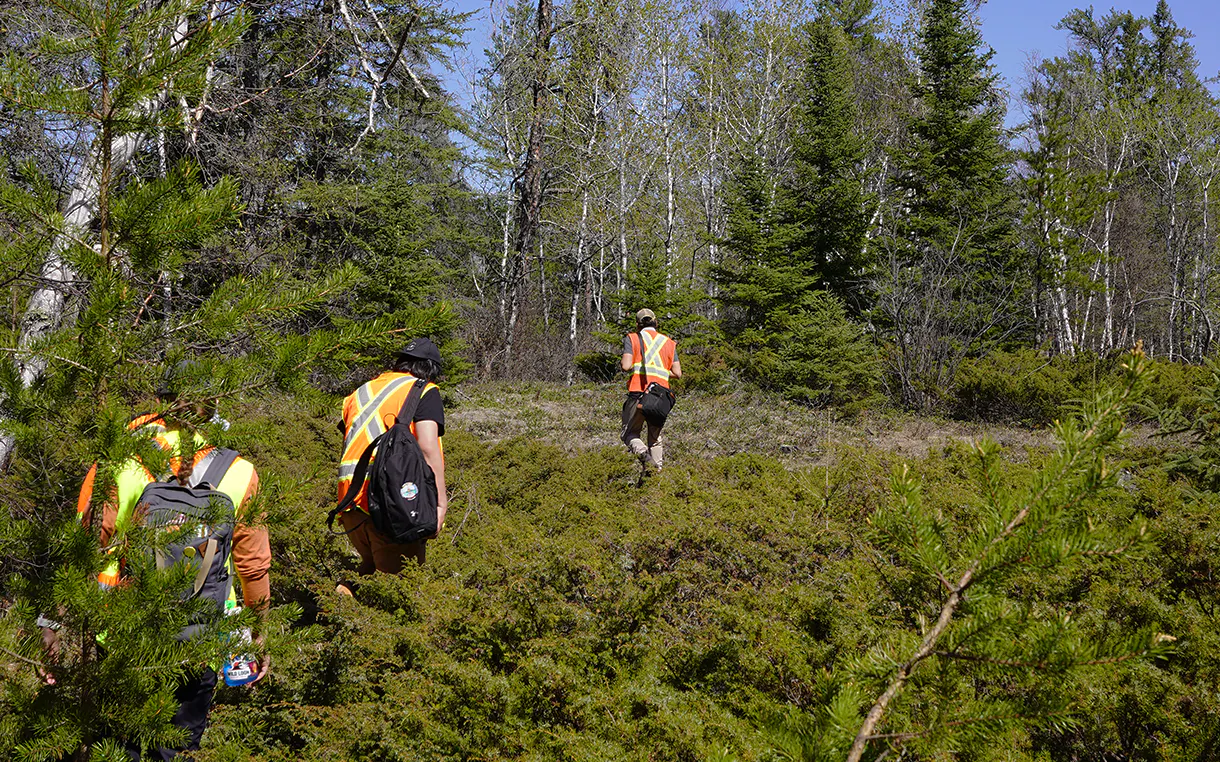
By establishing a Guardians program, Nations create concrete year-round employment opportunities for community members as environmental monitors. Becoming the eyes and ears on the ground in the territory, their efforts can include monitoring waters, wildlife, and forests, including plants, berries, and medicines. They can also be the connection between generations, monitoring the lands for the Elders and Knowledge Keepers who may not be able to be on the land themselves, and sharing their findings with the community and the youth.
The recorded observations and findings that they collect belong entirely to the Nation. That data answers questions or concerns identified by the community, and findings get shared back with the local members. This work can inform land relations decisions, shape impact assessments, and establish an independent environmental baseline in the territory.
Signs Your Nation May Be Ready to Start a Guardians Program:
- 1
The lands and waters have been identified as a community priority. A land use or land relations plan has identified what needs protecting, making implementation your next step.
- 2
The community has raised concerns about the water, wildlife, and forests, but the answers are unknown.
- 3
A proponent or regulator brings environmental data about your territory, and there is no independent baseline of your own to stand beside it.
- 4
Youth and local members are eager to work on the land, but there are no suitable positions to fit their needs.
If two or three of these situations sound familiar, establishing a Guardians program in your community may be the next step.
Challenges in Establishing a Program & What Can Help
A single funding source rarely covers everything a land monitoring team needs. A grant may fund operations, but might not cover fieldwork and technical training, or vice versa. Guardian programs that draw on a mix of project-specific dollars and operational or core funding tend to build more long-term stability into their programs.
Off-the-shelf training does not always fit each Nation’s specific needs. A generic certificate can miss the complexity of land relations, cultural protocols, or questions that a program was built to address, and the specific role a land steward is stepping into. It can also overlook the skills and knowledge that a person in this position already carries with them: a lifetime of experience on the land, traditional ways of knowing, and knowledge of the community and territory that no course can teach. Training works best when it starts on the land and waters and is specifically customized to add technical skills to what is already so strong.
What happens after the data is collected matters just as much. Guardians can gather excellent observations in the field, but without a clear system for recording and storing it, and without a framework for reporting it, it may be hard to action. The opportunity is in community-led data management: reporting frameworks that answer the questions asked by the people and ensure findings are shared back in a way that is meaningful and accurate. A program is strongest when what happens after the fieldwork gets as much thought as the fieldwork itself.
These programs do not begin with a call for funding; they start with what is already true: a Nation that has never stopped knowing its lands and has been finding ways to look after them long before there was a program. What changes is what the relationship can carry: a land relations plan that moves from a document into daily practice, field observations that become a record, and traditional knowledge that gets to stand alongside, not behind, Western science in rooms where decisions about the territory are made.
Mornings like that one on the ice happen every season in Nations across Turtle Island, with or without a program behind them.
An established Guardians program, however, can fund the work, support the training, and document what gets found. If your Nation is ready to take that step, we would be glad to discuss what that future could look like.