


The Wisdom of Decay
As we enter November, we say goodbye to the peak of Winnipeg fall and begin to prepare for the long arrival of winter. It’s the perfect time to reflect on the beauty that each season brings. Autumn symbolizes both an abundance of the harvest and the decay of vegetation.
While it can be difficult to appreciate death and decay, there is an inherent beauty to it; it doesn’t just symbolize the end of life, but the beginning of it. Finding peace and comfort in this can be especially difficult if you’re part of a culture that often resents, fears, and avoids conversations around mortality. But the reality of autumn reminds us that life and death are not opposing forces: they rely on one another, and death is an active, generative process that makes life possible.
Decay From a Biological Standpoint
The decomposition of natural materials puts nutrients back into the planet’s food chain, passes energy to other living things, and stops the buildup of organic matter, acting as a natural recycling program.
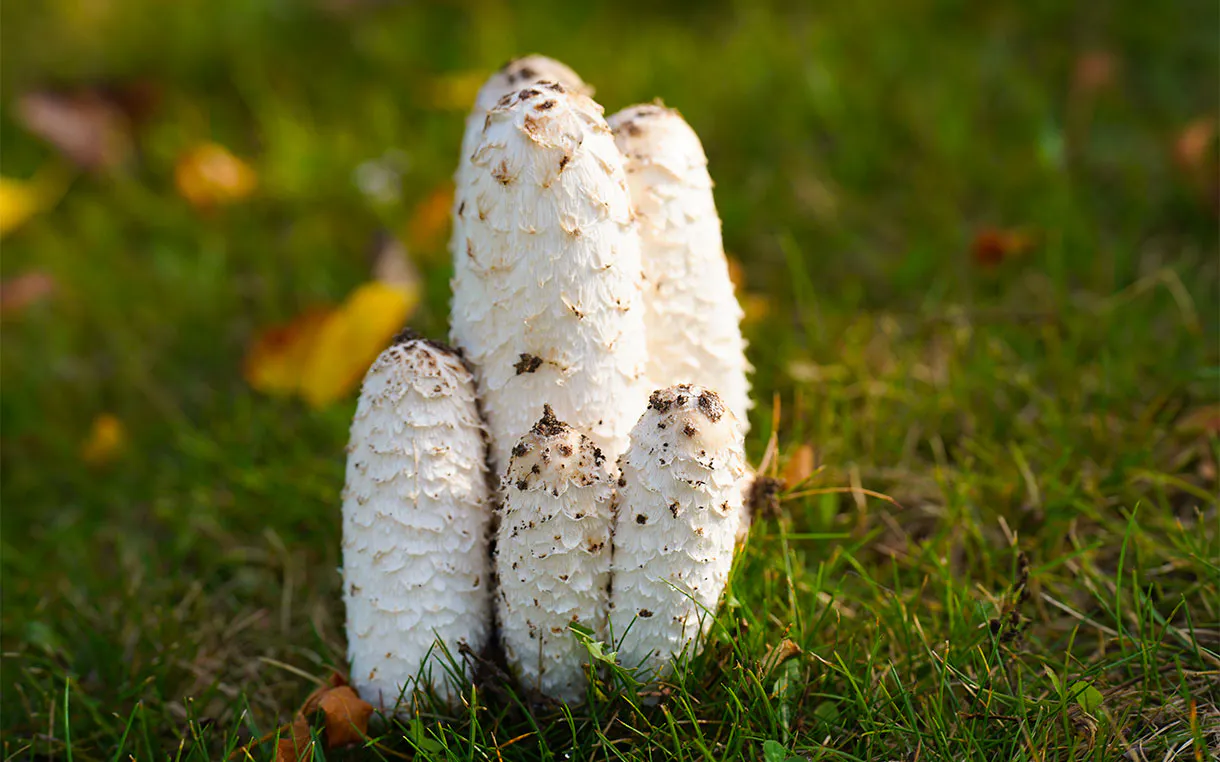
When an organism dies, a domino effect triggers what is called a “necrobiome” (necro meaning death and biome meaning ecosystem). This necrobiome is made of the many living organisms and microbes that break down decaying remains: fungi (such as mushrooms), bacteria, bugs, and scavenger animals all begin their specific jobs.
Energy cannot die. The energy of one living thing is transferred to another in the wake of death. All the atoms that make up a living organism are released and used by another living organism during the process of decay. Without this process, the earth would run out of ingredients to create new life.
Celebrations of Death and the Circle of Life
There are many cultures that respect, honour, and appreciate the cyclical nature of death and life. Many of the traditions associated with death take place at the end of October and the beginning of November. In the northern climate, this time marks the visible withering of summer flora.
In traditions such as the Mexican holiday, Día de los Muertos, this time is an opportunity to welcome deceased loved ones back to this plane as honoured guests through festivities, food, offerings, and remembrance. This practice has deep roots in pre-contact Nahua cosmology, where death was not seen as an inherent tragedy but as a necessary transfer of resources to generate rain, plants, and new life.
Similarly, the Pagan holiday Samhain is also observed in October and November right as the harvest ends and the darker half of the year begins; it’s believed to be a time when the veil between the planes of the living and the dead is thinnest. Celebrants treat those who have passed with hospitality, leaving doors and windows open and setting out offerings of food so their ancestors can join the living for a feast.
Concluding Thoughts
Autumn represents an interesting dichotomy through the abundant harvest in tandem with the decay of vegetation. Yet, its cyclical nature reminds us that this pattern is not contradictory, but rather the way that life sustains itself. Physics and biology show that an organism’s energy does not go away in passing, but is transferred to a living being. As we shift from October to November, historical and current traditions remind us of what nature teaches us: that the line between life and death is not as black and white as it may feel.
However, none of this can diminish the reality of loss; the passing of a loved one can often feel earth-shattering. Yet, once the mourning becomes less all-encompassing, perhaps comfort can be found within the wisdom of decay, knowing that from a biological standpoint, death begets life.
When an organism decomposes beneath the soil, it serves a purpose by providing, as Madajczak et al. (2026) reminds us, the “raw material for generating new life in many forms… such as water or plants.” Decay is not the opposite of living; it’s a necessary process that ensures the circle of life never ends.