




From Ancient History to Urban Ecology
Looking at my career path, you might not guess that my degree is actually in Ancient History. I spent my university years focused on the Greeks and Romans, fully expecting to land a job in a museum, an archive, or out in the field as an archaeologist.
Instead, I found myself in the world of sustainability. I joined an incredible team at Blu Planet Recycling in Calgary, where we managed waste, recycling, and compost services for businesses and multi-family complexes. Blu Planet cared about so much more than just picking up bins. The team poured their hearts into education and making sure every item ended up in the right place.
This culture of sustainability has stuck with me, and I brought this passion for recycling and composting back home to Winnipeg and my role at Narratives. Our recent office move in Winnipeg was the perfect time to improve our corporate sustainability habits. We have handled recycling for years, but we realized it was time to get serious about food waste. Along with a few other small changes, we officially started a composting program.
We now have organic collection bins in every kitchen, and once a week, the team at Compost Winnipeg swaps them out for fresh ones. It feels great knowing our food waste has a purpose beyond the garbage bin.
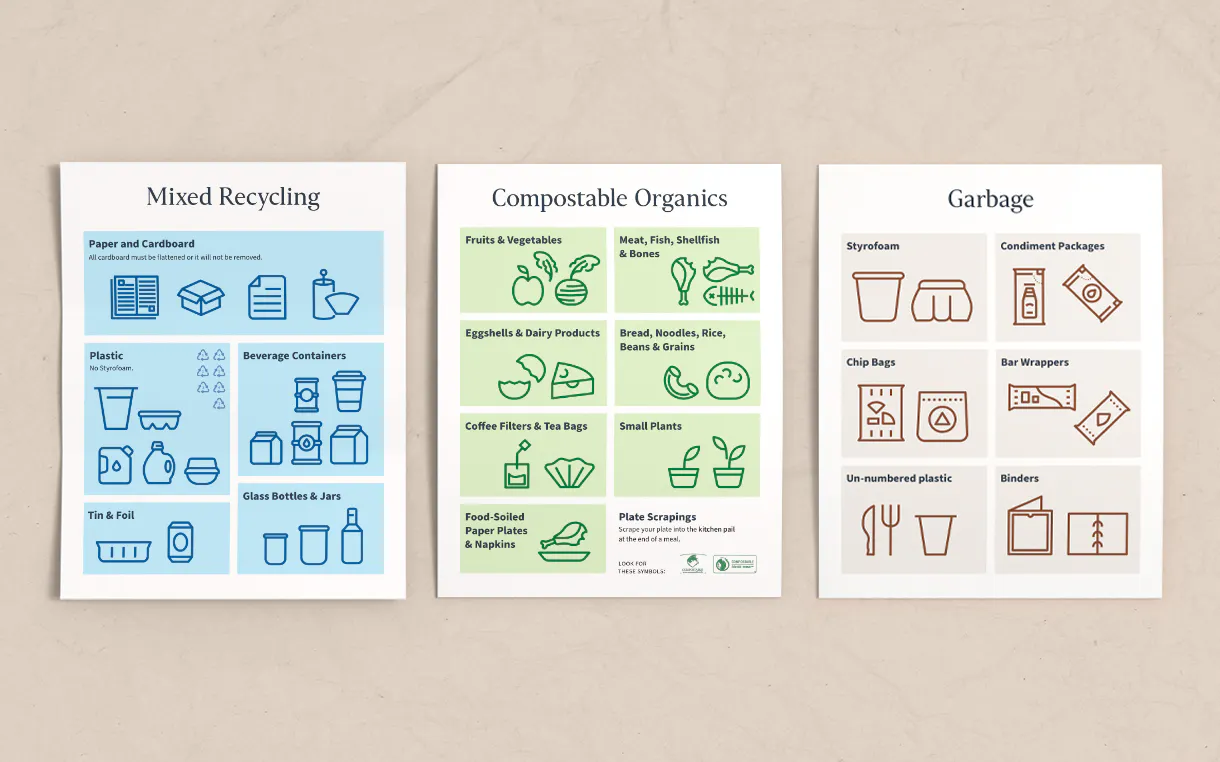
Five Benefits of Starting an Office Composting Program
- 1
Any Food Waste Can Be Composted
Because Compost Winnipeg uses industrial composting processes, they can accept meat, bones, dairy, and certified compostable packaging that you wouldn’t normally put into a backyard pile. Many cities across Canada offer these types of industrial composting services, making it much easier than doing it yourself.
- 2
Help Reduce Landfill Emissions
By keeping organic materials out of the landfill, you help reduce the amount of methane gas released into the air. Finished Compost from Compost Winnipeg is even used as a “bio-shield” on top of local landfills to filter emissions and keep debris from blowing away. Your local provider likely has some equally cool ways they are using their finished compost.
- 3
Shrink Your Garbage Footprint
You will quickly notice a significant drop in how much actually goes into your garbage bins. This can be a great way to reduce costs by opting for less frequent garbage collection from your waste provider.
- 4
Boost Employee Engagement
Starting sustainability initiatives like composting can improve office culture. Our own staff are passionate about the environment and want to make a difference in our community. Adding compost to our office felt like a natural next step for the team.
- 5
Encourage Sustainability In Other Areas
Why stop at composting? Now that we have the bins in place, we want to keep as much garbage out of our office as possible. We have started purchasing office snacks in bulk to avoid single-use wrappers, switching to sustainable cleaning products, and choosing compostable packaging whenever it is an option.
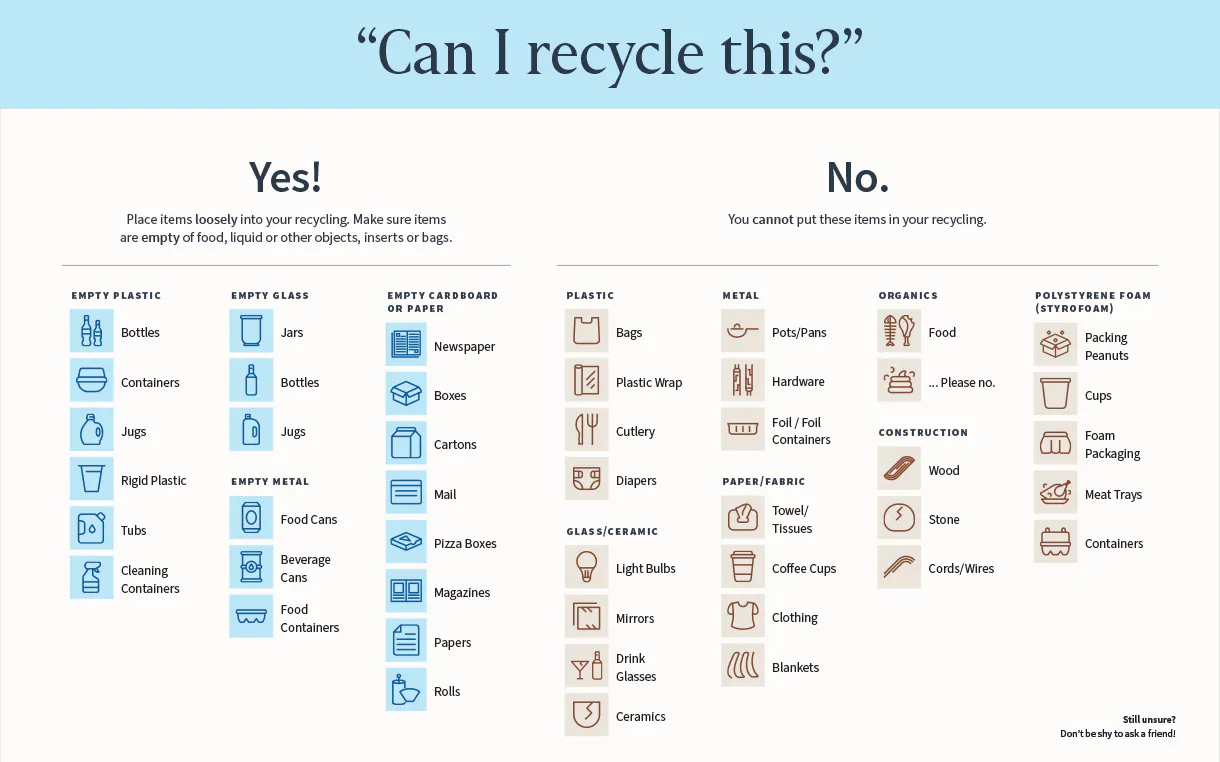
Three Tips for Office Waste Diversion
- 1
Clear Signage
Make sure signage is clear to understand and highly visible near the bins. You can also send messaging out to your team through your internal channels.
- 2
Make It Easy
Everywhere you have a garbage bin in the office, make sure to also have a recycling and compost bin!
- 3
Regular Audits
Conducting regular waste audits of your garbage bins helps employees learn which items are compostable or recyclable.