



There’s a familiar moment that happens after a project wraps. The last file gets exported, feedback threads quiet down, and for the first time in weeks, there’s nothing urgent on the timeline. I’ve felt that moment more than once, opening my task list out of habit, half-expecting another round of notes, only to realize there’s… space.
At first, that space can feel strange. Almost wrong. In a field built around momentum, deadlines, and deliverables, notably in creative industries, the pause between projects can feel like something to push through rather than sit with. But over time, I’ve come to realize that those quiet stretches aren’t gaps in the work; they’re part of it.
The Pause Exists in Every Healthy System
Creative work is usually discussed in terms of timelines, deliverables, and milestones. Those things matter, especially in motion design, where coordination and pacing are everything. What tends to get less attention is what happens between those moments of output: recovery, reflection, and recalibration.
Every sustainable system builds this in somewhere. Construction projects have inspections. Software teams run retrospectives. Athletes schedule rest days. Creative teams are no different. That space between projects allows ideas to settle, processes to be examined, and energy to return before the next big project.
Why Downtime Feels So Uncomfortable
Creative industries often reward visibility and motion. Being busy can start to feel synonymous with being valuable. So, when work slows down, it’s not unusual for doubt to creep in. Questions surface quietly at first, then grow louder: Am I falling behind? Should I be doing more? Does this mean the work is drying up?
That anxiety is understandable, especially in fields where output is so visible. But creativity doesn’t operate on a constant production model, and sustained creative output without rest often leads to burnout. Ideas don’t reset the moment a project ends, and skills don’t deepen without time to absorb what you’ve just learned. Burnout, on the other hand, rarely gives advance notice.
What a Healthy Pause Looks Like
A meaningful pause is a shift in gears. The pace changes, the pressure lifts, and intention becomes quieter.
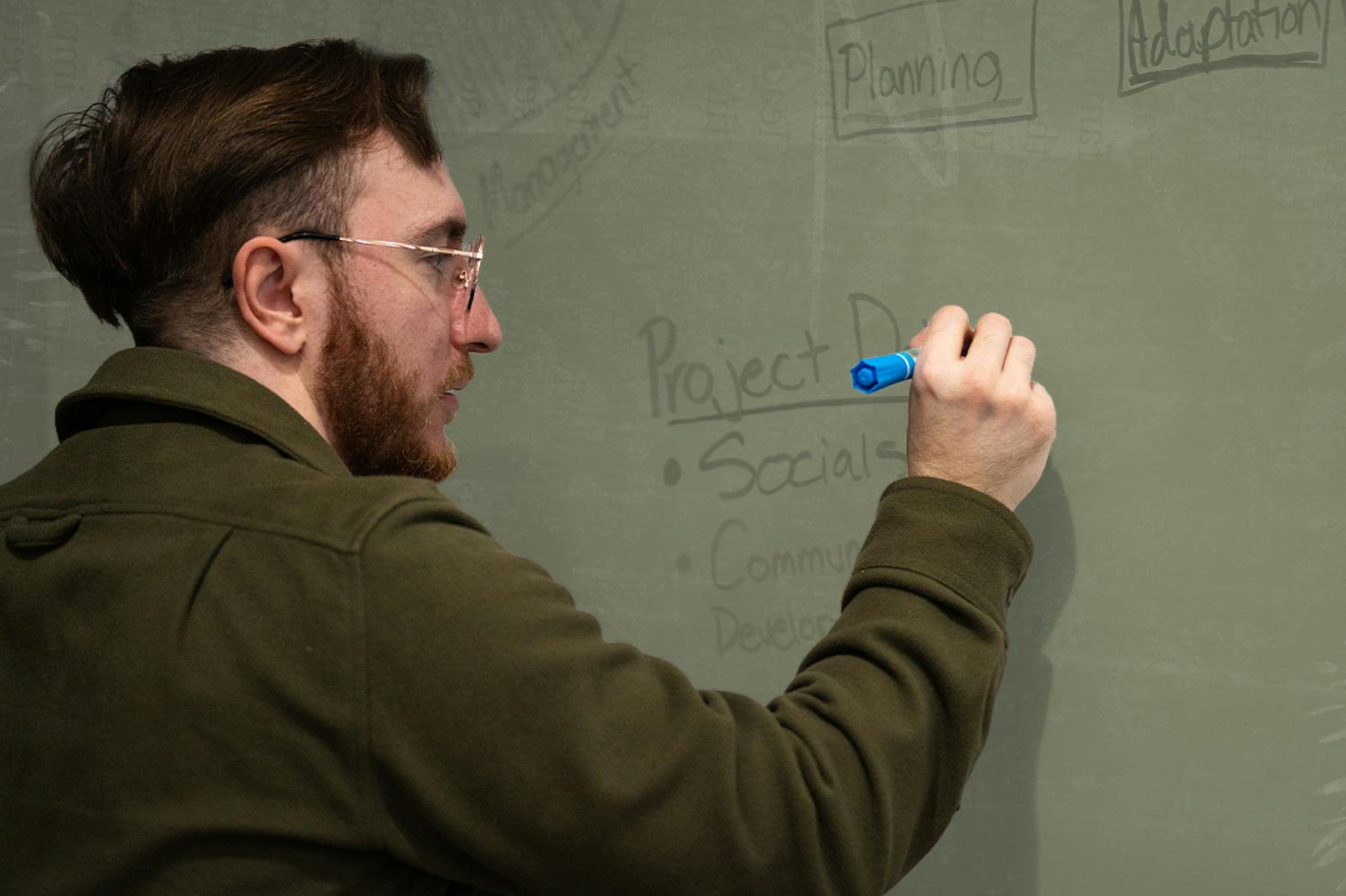
This can take many forms. Sometimes it’s looking back at a project and honestly reflecting on what works and what didn’t. Sometimes it means documenting a workflow adjustment as part of improving creative process, so it is not lost next time. Other times, it’s opening a new tool, exploring a technique you didn’t have time for during production, or just letting ideas resurface without a brief attached to them.
In the creative work, these moments especially, are often where style sharpens and instincts form. The pause isn’t about waiting to be useful; it’s about staying connected to the craft without forcing output, which often leads to a decline in quality.
What tends to change across industries is not the existence of the pause, but how it is interpreted. In roles shaped around projects, from technology and education to consulting and nonprofit work, time between assignments is often treated as a problem to solve rather than a phase to respect. The discomfort tends to come from the same place: progress is easiest to recognize when it is visible, measurable, and attached to delivery, even though some of the most necessary work happens outside of those moments.
How Pauses Strengthen Teams
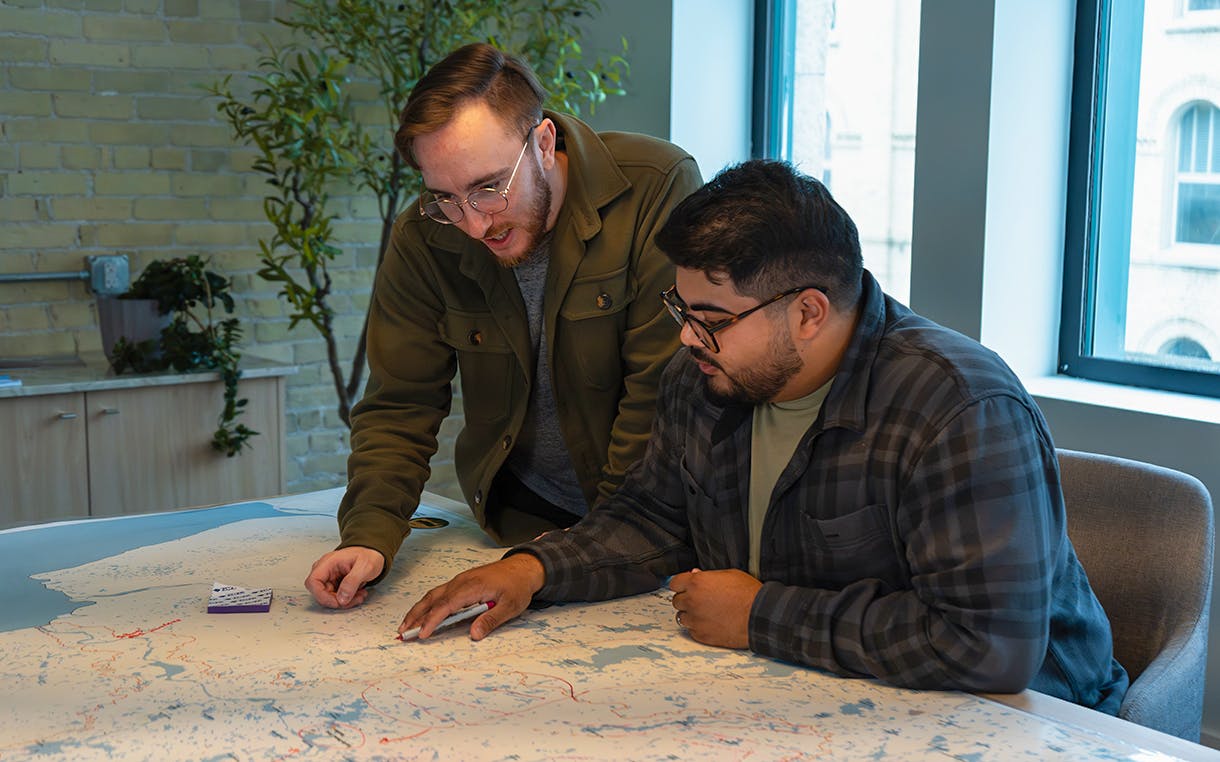
In a team setting, pauses matter just as much as deadlines. They give people room to recover after intense stretches of constant project work, and space to talk openly about process, workload, and collaboration.
This is often when teams quietly get better. Junior designers gain confidence without the pressure of delivery. Senior creatives have time to mentor, reflect, and adjust direction. Teams can onboard more thoughtfully, align expectations, and prepare for what’s next rather than react in real time.
Teams that never slow down don’t necessarily move faster. Over time, they can become more fragile.
Reflection Is a Professional Skill
Reflection tends to get framed as optional or indulgent, but in practice, it’s a professional skill. Being able to step back, evaluate your work, and adjust how you approach the next project is what turns experience into growth. Some of the most meaningful progress comes from understanding what you’ve already done and why it worked.
Permission to Breathe
The pause between projects is a phase of the work itself, rather than an empty space that constantly needs to be filled.
If you find yourself in one right now, you aren’t behind. It means you’re between chapters. How you use that time, whether resting, reflecting, or quietly sharpening your tools, shapes the work that comes next, and the kind of collaborator you’ll be when it arrives.