



Why Extreme Weather Signals Global Climate Risk
Reports of record-breaking heatwaves, unexpected floods, and severe wildfires have become a norm in daily news. Because these extreme weather events happen so often today, they are beginning to feel routine. However, they are far from ordinary; they are an urgent environmental alarm.
To understand what is happening, we can think of the Earth's atmosphere as a living body. Just as a human body functions best at a steady temperature of 37°C (98.6°F), our planet also relies on a very specific atmospheric temperature balance to stay safely below critical thresholds like the 1.5°C warming target. When a human falls sick, pathogens like bacteria or viruses enter their system and cause a fever. In our atmosphere, rising greenhouse gases act like these pathogens, trapping heat and artificially raising the planet’s average temperature.
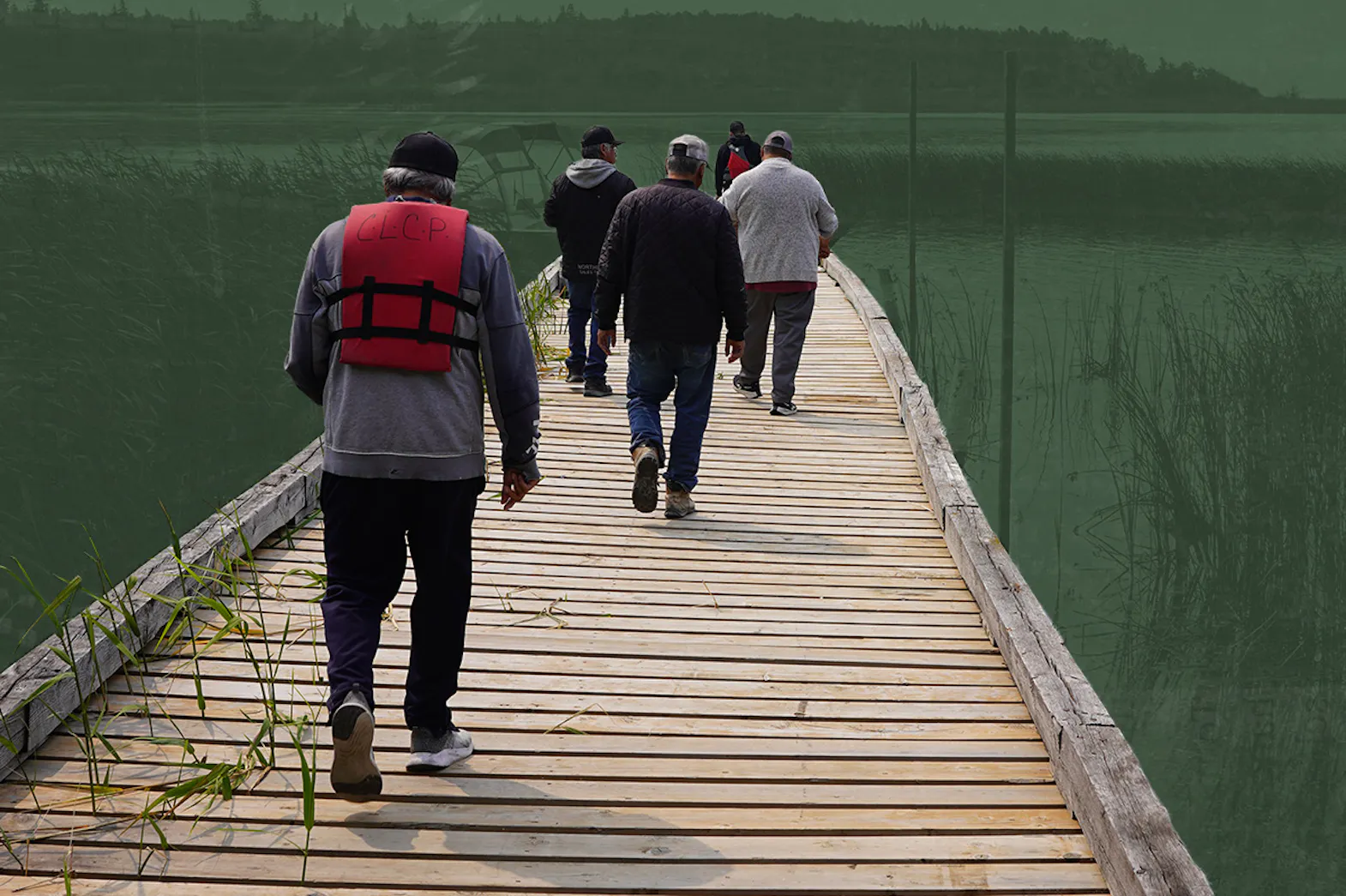
These fluctuations in temperatures give rise to many extreme and unpredictable weather conditions. Climate risks are no longer a distant threat; they are happening right now. While major cities face serious challenges, the localized climate change impact are particularly severe in remote, vulnerable communities. This is because these areas are geographically isolated and far from emergency services, even one extreme weather event can cut off vital supply lines, wash away roads, and disrupt access to clean water or medical help. The shifting weather conditions can also cause unpredictable farming, hunting, and fishing seasons, causing many regions to face immediate food insecurity long before outside aid can arrive.
Is It Too Late to Stop Climate Change?
It is not too late to prevent catastrophic climate change, but humanity is rapidly approaching its remaining carbon budget limit.
As global temperatures rise, they trigger self-sustaining climate feedback loops, such as melting permafrost and shrinking polar ice caps, which release more greenhouse gases and trap additional heat. These compounding cycles risk locking our planet into a continuous warming cycle that is increasingly difficult to halt or reverse. Are we already at the point of no return?
The answer is no, but time is running out. Climate scientists measure this strict timeline using a concept called a carbon budget. This is the total amount of greenhouse gases humans can produce before the damage to our atmosphere becomes permanent and irreversible. If these emissions continue at their current global rate, the planet will reach a critical tipping point within a few years. Crossing these tipping points could trigger an unstoppable, long-term global warming.
Climate Adaptation vs. Mitigation: How Communities Survive
Climate mitigation focuses on reducing greenhouse gas emissions, while climate adaptation involves modifying infrastructure and behaviour to survive existing climate impacts.
To survive the immediate challenge of climate risks, communities can use two strategies:
- 1
Climate change mitigation (stopping the damage from worsening)
- 2
Local adaptation (altering how we live to survive the changes that are already here).
These adaptations can look different for each unique community depending on their geographic needs. Today, engineers and local communities are stepping up and combining traditional knowledge with new technology to build systemic climate resilience by developing:
- 1
Resilient Infrastructure: Constructing advanced storm barriers and restoring natural wetlands to absorb floodwaters.
- 2
Renewable Energy Systems: Replacing fossil fuels with wind energy, regional solar grids, and electric public transit systems.
- 3
Nature-Based Solutions: Protecting global forests and altering agricultural practices so that soil absorbs carbon instead of releasing it into the air.
The Path to a Permanent Solution
By 2050, according to estimates from global energy organizations like the International Energy Agency (IEA), the Earth’s projected energy expenditure with just artificial intelligence (AI) and computation growth is expected to rival the total power we produce on the planet today. This surge will ultimately force humanity to go beyond our atmosphere to harness the unlimited solar energy in space. It is expected that eventually we may evolve to harvest solar energy on a massive scale by launching space satellites equipped with solar power plants.
However, this may be equivalent to science fiction, as there is still a long time, even decades, for something this advanced to be implemented efficiently. So, the immediate climate solutions we require must be based within the terrestrial limits of our planet. Prioritizing sustainable development and living, and efficient renewable energy use, while protecting our natural ecosystems, is the best way to halt further global warming.
Although, there is a problem: our modern society is blocked by current economics and geopolitics. The current international economy relies heavily on conventional fossil fuels and carbon-intensive consumption. Large corporations and powerful nations often resist a clean energy transition because their financial systems and political power are tied to these industries.
Because society cannot instantly leap into a high-tech science fiction future, a bridge must be built using the tools available to us today. Humanity must choose sustainable frameworks immediately. If we fail to act, future generations may look back at this moment in history and conclude that their ancestors chose ignorance over action. The knowledge exists; the world simply needs the collective willpower to implement it.