



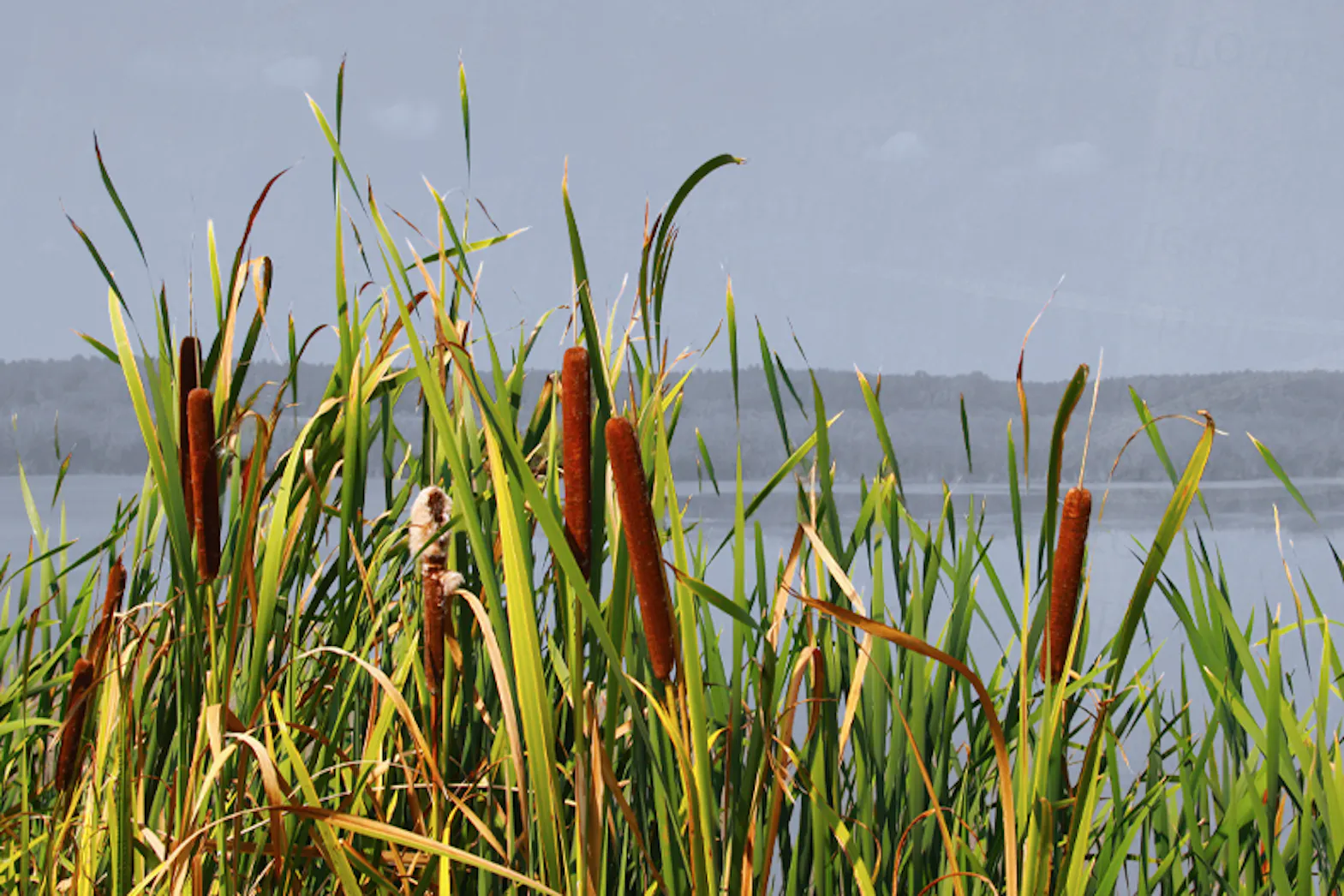
When we talk about climate change, we often focus on what might happen next: hotter summers, stronger storms, and less predictable seasons.
We talk about what’s coming, what might be lost, and what we need to fix. All this uncertainty can feel overwhelming, but there is something quieter happening around us. Nature is already adapting, and it has been for a long time. The real question is, are we paying attention?
Nature has been responding to change long before we started planning for it. We see this time and time again: forests recover after a fire, wetlands absorb floods, native grasslands survive long periods of drought. Slowly but surely, ecosystems respond, adjust, and grow back stronger through nature-based solutions. They don’t look the same, but then again, they aren’t meant to. This is what climate resilience looks like. So, what makes nature so resilient? It doesn’t rely on one solution. It relies on many.
A healthy ecosystem has mechanisms that allow the whole system to thrive and continue. It has:
- 1
Different species doing different things
- 2
Layers of protection and support
- 3
Space to adjust when conditions change
And yet, in our work, we often move in the opposite direction. We aim for efficiency, a singular “best” plan or solution. When we don’t pay attention to how ecosystems naturally function, we create risk. We introduce fragility. Not because we intend to, but because we design for control in places that require flexibility. Many of the challenges we face today come from trying to control systems that are meant to move and change. For example, we simplify landscapes that then lose their ability to recover; we build where water has always moved; we remove what was always protected.
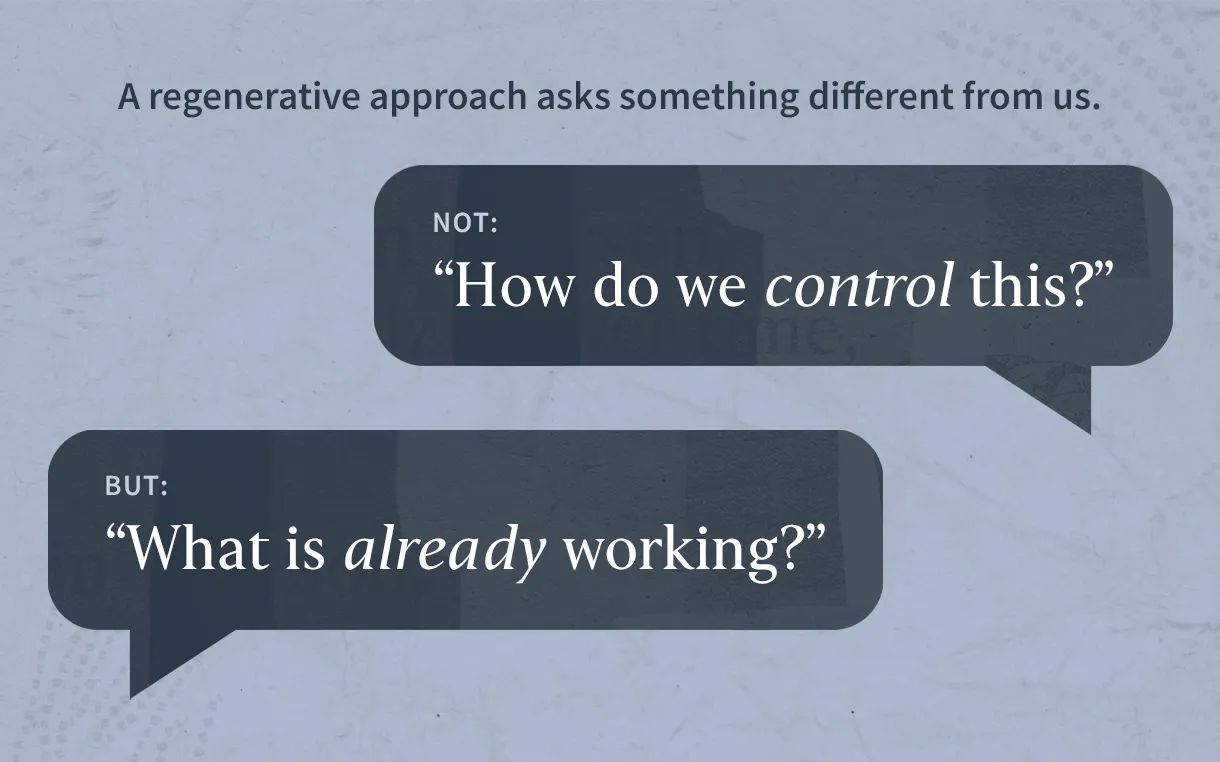
Because the answers are often already present: in forests that regulate temperature, in native species that support ecosystem health.
Adapting doesn’t mean starting from scratch; it means shifting how we think:
- 1
Working with natural systems
- 2
Paying attention to ecosystem patterns that work
- 3
Valuing local knowledge
- 4
Thinking beyond short timelines towards long-term sustainability
This kind of regenerative impact work can feel slower.
It asks us to observe before acting and to accept that not everything can be predicted.
Nature shows us that building a resilient future takes time. It’s not fast and it’s not always neat, but it lasts.