



Friction of the Fast Track: The Cost of Urgency
In a time of constant acceleration, choosing slowness is an act of transformative practice.
It feels like the world is spinning faster than ever, pulling us in countless directions. If you are feeling exhausted just being alive right now, you are not alone. The amount of information to take in is impossibly large, even while questions around its accuracy and reliability abound. Demands to produce more on smaller budgets and tighter timeframes continue to increase. In Canada, the federal Build Canada Strong Act seeks to "fast-track" major projects, yet it has raised concerns from Indigenous and environmental rights advocates, among others. This urgency rightly comes as a response to the livelihoods that are at risk, but is the “urgency response” fully addressing the challenge?
Meanwhile, we are more physically disconnected than ever. With a video call just a few clicks away, we rarely sit together in the same room. I did happen to sit in a room recently where the conversation about natural resources centred on how to produce more “fibre”. It took me a minute to realize they were talking about trees. The discussion felt disconnected from the knowledge that this sought-after fibre comes from forests, living beings themselves descended from old growth so ancient it has sustained life far longer than humanity has existed.
Courage to Reclaim Presence
What do we lose if we go too fast, or in a direction that excludes relevant voices? If we accomplish a short-term economic goal at the sacrifice of hard-won relationships and environmental integrity, we break trust. A growing sense of frenzy runs through our work and our relationships. This frenzy feels rooted in fear; we are running from something. Perhaps we are afraid of missing an opportunity, of being left behind, or that if we stop running, the inadequacy of the systems we have created may finally catch up with us. In our hurry, we run the risk of wasting time, energy, and precious resources, only to perpetuate or recreate systems and projects that cause harm. What if we found the courage to slow down, turn, face the things we were afraid of, and bring them into the light?
The Strategy of Slowness
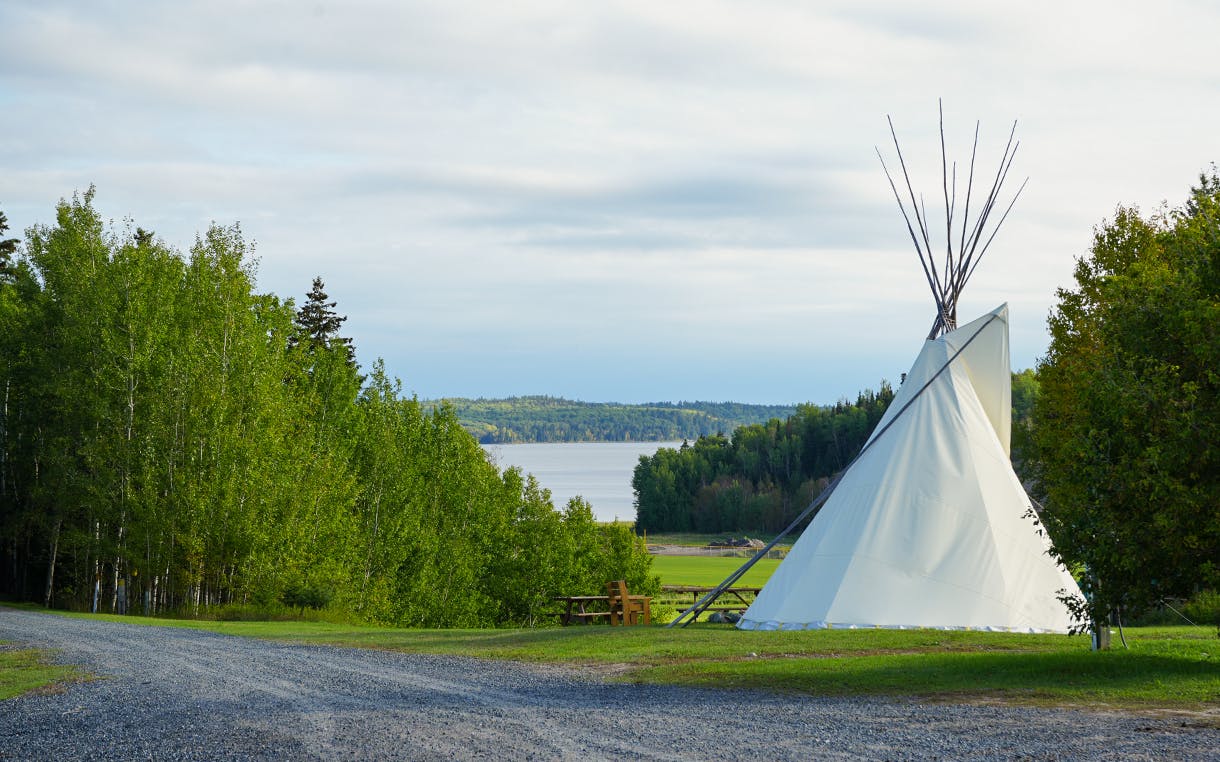
Slowing down is a radical act. As I have written before, sometimes you have to slow down a little to speed up and go further in the long run. I have had the privilege of listening carefully to stories shared by Elders, Survivors, and Knowledge Carriers across Turtle Island. I have been tasked with carrying these stories and sharing them when the time is right. Sitting in these cross-cultural learning and listening places, I have been invited to understand time differently.
We are right to be concerned with timelines, but the timelines that should pull our focus are much longer than those I hear in the news and around the water cooler. A community expert I once worked with said it this way: instead of focusing on five-year shareholder budgets, we need to be thinking of the next seven generations ahead of us and the seven generations behind us.
History will repeat itself until we learn our lessons. When we place ourselves within these longer-ranging timelines, something shifts. Spaces open; innovation occurs. We hear the lessons of our ancestors and reconnect with our inner wisdom. It takes courage to approach things this way, but there is much to be gained.
Stability in Disassembly
Many of our institutions and systems are under insurmountable pressure. They are cracking: housing, employment, education, healthcare. Possibly even democracy itself. Yet, destruction is a necessary part of the lifecycle, and those who understand long timelines know this. Destruction is a required part of new creation; the opportunity before us now is deciding what we want to create, together, that supports more people in better ways. We know that governments, institutions, and project proponents must listen more carefully to the people who live on the lands where they operate.
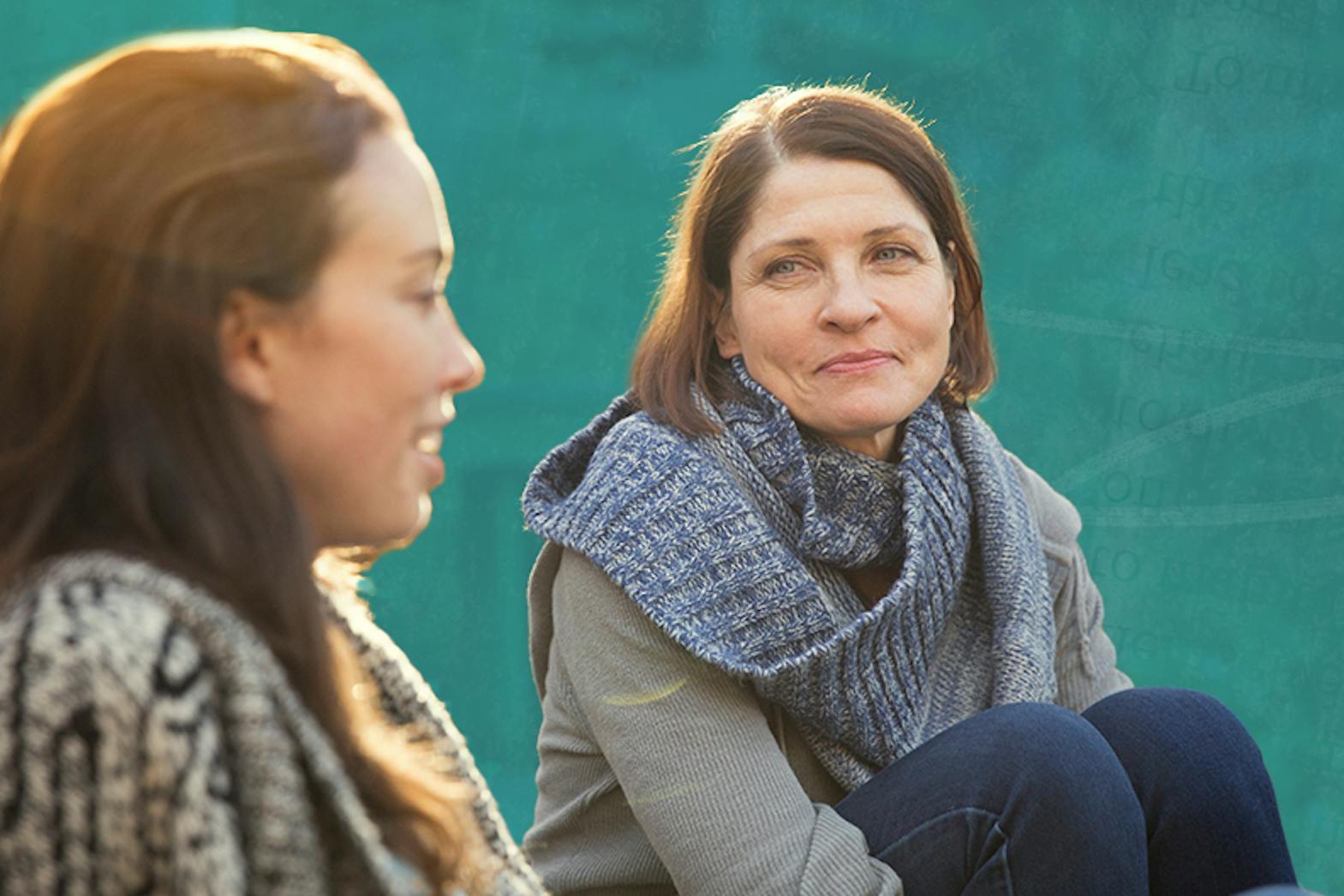
Taking the time to connect builds more resilient relationships. Slowing down is wise. It is strategic. It brings us into deeper connection with those around us. When you take the time, find the time, insist on the time to slow down, pay the visit, have the conversation, and another, and another, you build trust. Familiarity. Stability. These are the very things we seek in our local, national, and global economies, societies, communities, relationships, and projects. In the long run, this is time well spent.
When was the last time you were completely present in the presence of another? No distractions, just quiet presence with a colleague, a community partner, or even that patch of grass you pass by every day. With yourself? Did you say hello? Did you say thank you? Looking forward, what is the world we are creating for our great-grandchildren’s great-grandchildren? What will our legacy be?
Are we being good ancestors?