



The National Day for Truth and Reconciliation asks us to pause:
To hold both space and understanding for all the Survivors, families, communities, and sacred sites that have been affected by the residential school system.
Beyond this day, every day, we must move forward with true allyship by supporting the ongoing healing and self-finding journeys walked by those impacted, forming true relationships built on support, understanding, and a deep-rooted respect.
Supporting Truth and Reconciliation can be shown in many ways: listening with humility and openness, confronting harmful remarks and misinformation, supporting Indigenous-led efforts, and rethinking how we act in our daily lives, toward other people, and on the lands we have the honour to live on here on Turtle Island.
At Narratives, one of the ways we show our ongoing support to the Nations and communities we walk alongside is through moving with a community-led approach that allows their voices to be heard, understood, and amplified. We remain dedicated to honouring and respecting the courage, willingness, and openness required to form relationships grounded in this deeply woven history, and we continue to reflect on the vital importance of honouring and respecting our relations.
This year we asked our team members to reflect on the theme of “holding space and honouring Indigenous lived experience” and what this means in the work they do, in their everyday lives, and how this resonates with them. After reading the entries, we ask that you take a moment to reflect on how you, in your work, family, or community, hold space and honour Indigenous lived experience.
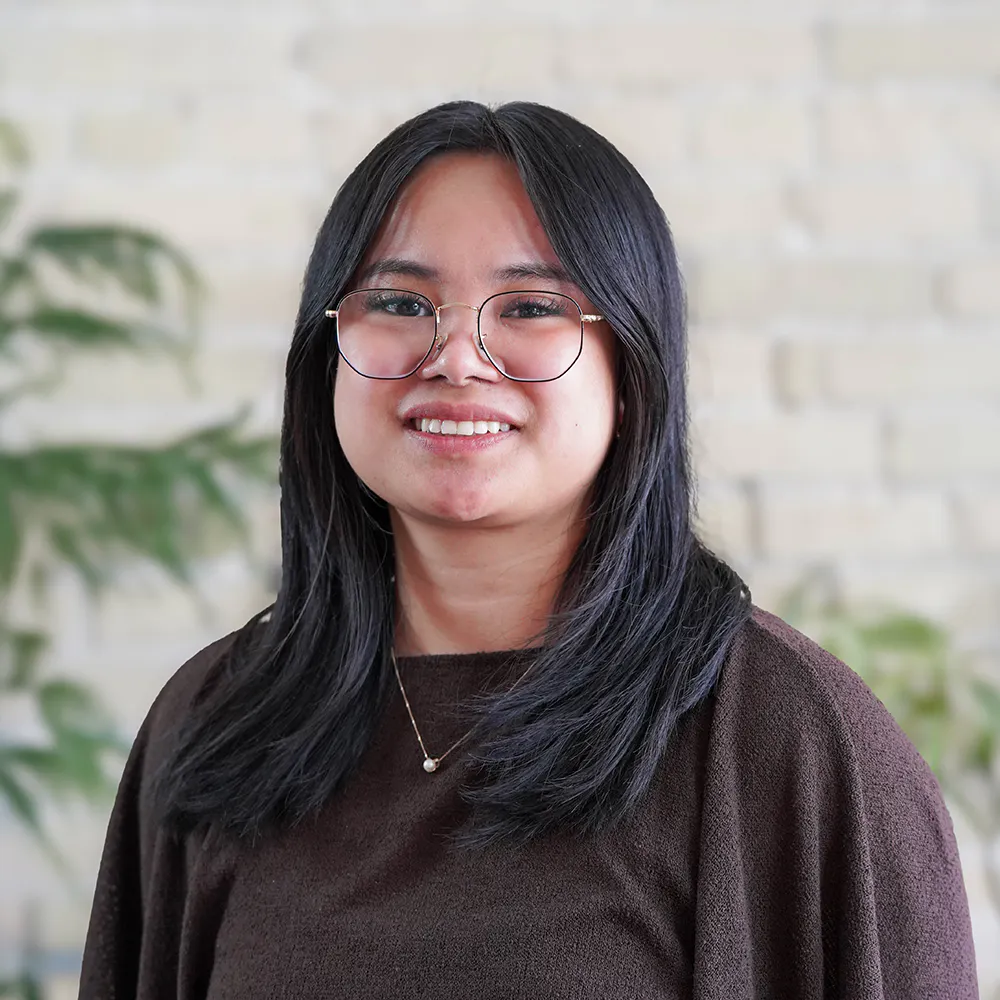
Alandra Barairo
Planner
Building off my previous planning experiences and my time with Narratives, holding space and ensuring that I am honouring Indigenous lived experiences has always been an important aspect of the work that I try to practice.
This means many things, but one of the most important is understanding how and when to take a step back and actively listen instead of leading. People hold unique experiences; they aren't just another data point in urban planning. What we hear and learn from them is their lived reality.
When we write policies or create planning reports, they should honour, respect, and reflect the people we are working with and their relationships to the land, not my own. As a non-Indigenous planner, it is important that I recognize where I can help and support, but also when I need to pause.
While I have my own skills and knowledge that I can bring to the table, I have learned that I should participate by supporting and collaborating, not by leading and making the final decision. This also means respecting the decisions that communities make, even if I have been asked to not be part of the table discussion.
Meaningful work can only be done on a community's terms. It cannot be done through traditional Western approaches and viewpoints on project management, where following strict, rigorous timelines is treated as the most important aspect. Instead, it should be approached with empathy and patience.
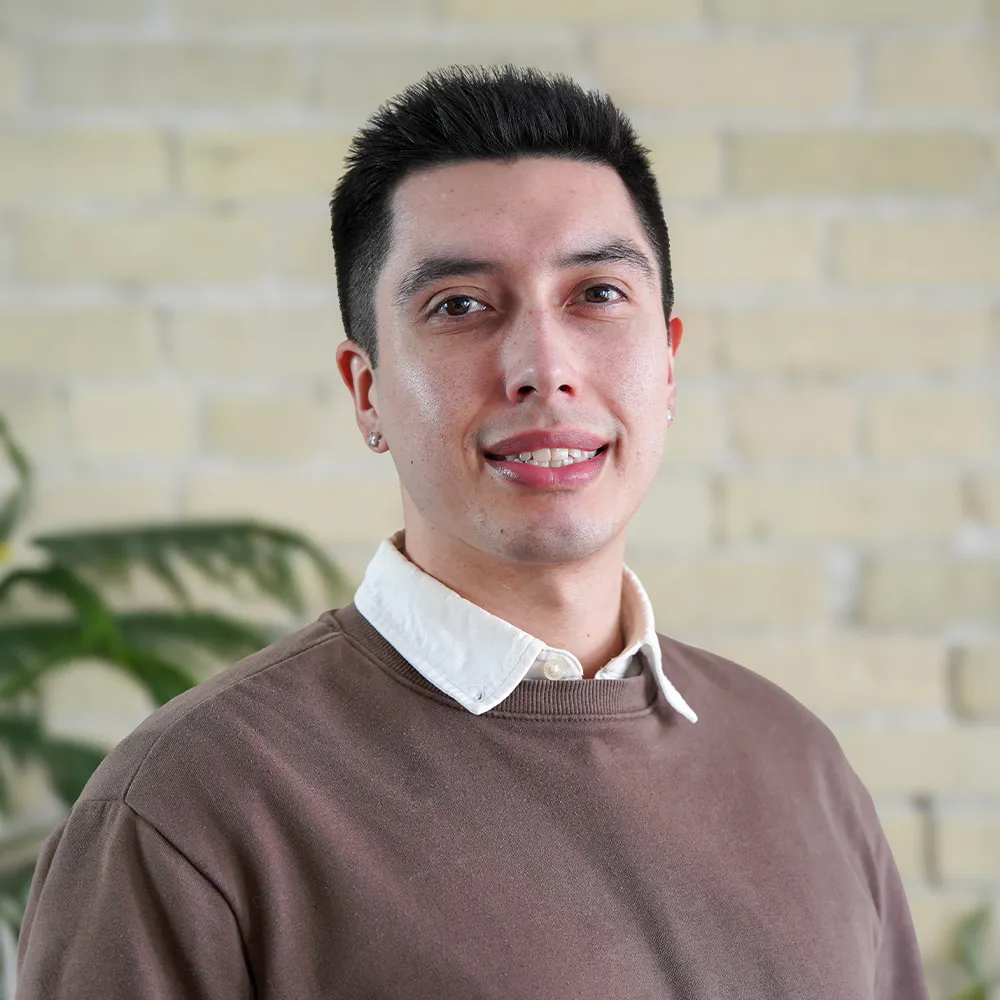
Joe Morrison
Planning Intern
For me, holding space and honouring Indigenous lived experiences begins with recognizing the strength of my ancestors who survived the residential school system. This remembrance is part of what drives my continuous learning and guides my commitment to trauma-informed engagement in my work.
Reflecting on the hardships my grandparents faced, as well as their resilience to follow through storytelling and acts of service toward community healing, fills me with immense pride. But it also keeps me profoundly aware of the long-term effects of intergenerational trauma. Their story serves as a reminder that truth is the foundational step toward real reconciliation. Therefore, I remain driven to actively educate myself on our true history and listen to the lived realities of Indigenous communities.
Having this personal foundation deeply informs my work in Indigenous-led planning and community engagement at Narratives. There is significant importance in prioritizing trauma-informed engagement and creating safe spaces for sharing, ensuring that care and empathy guide every interaction with the Nations we serve.
By acknowledging these lived experiences and committing to continuous learning, I am determined to walk alongside Nations to ensure our planning efforts truly honour and support community-led visions.
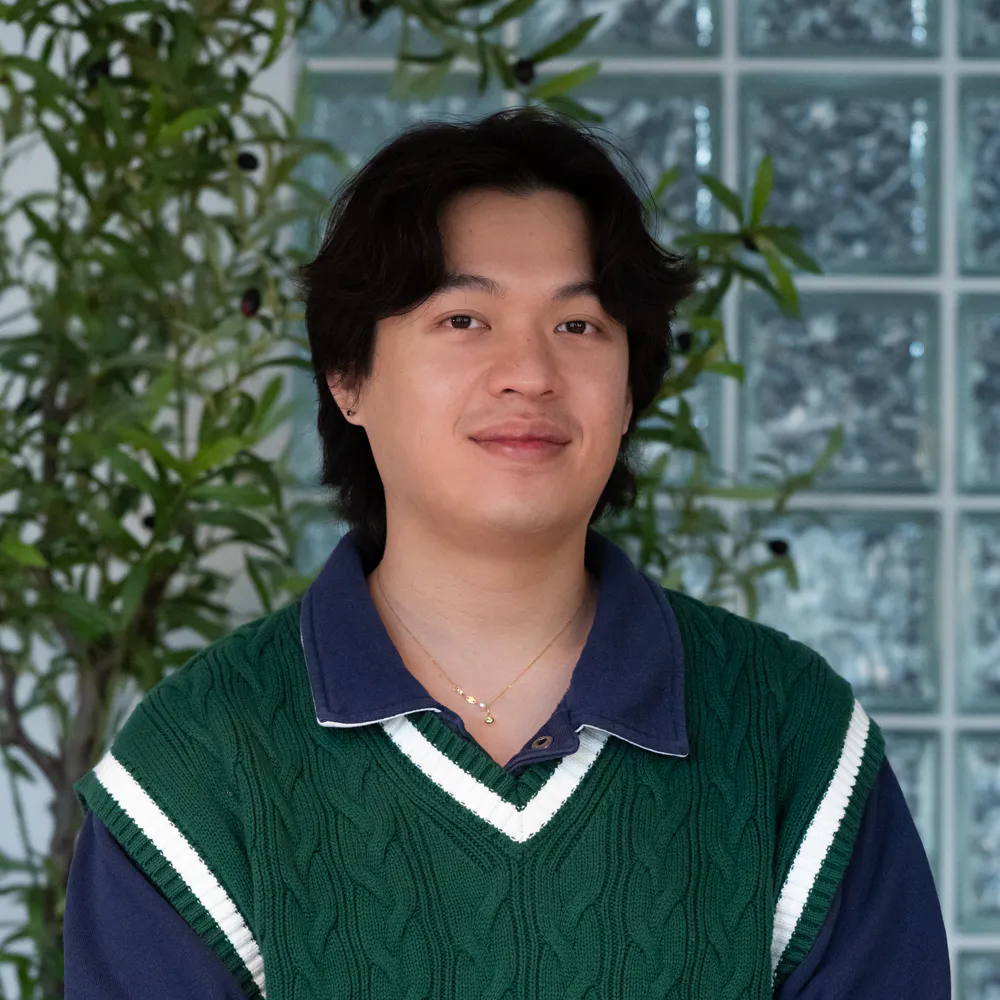
M. Justin
Environmental Planner
Through my work with Narratives, I've learned that for me, holding space starts with listening to communities' stories without rushing to fill the silence with my own conclusions based only on scientific knowledge. Having worked with communities in planning and research, I spend a lot of time reviewing interviews, consultation notices, tracking industrial activity, and preparing briefing materials. It would be easy to see this work as purely technical: file tracking, deadlines, and correspondence. But to do it mindfully, in a way that benefits the communities, you have to understand that behind every interview, meeting, or report is a community's relationship to land that far predates any of the scientific processes we now use to protect it.
Before this role, I transcribed and coded research interviews. That work taught me something that I still carry: lived experience. It is Indigenous knowledge stewarded through generations of relationship with the land. This knowledge often arrives at the truth before Western science does, just through a different approach.
A story that looks off or unfamiliar to our scientific point of view should not be ignored; it is often an important lesson told through a different method. Communities have relied on storytelling to reliably pass down consistent information that is essential to protecting the land, which in turn provides for the community.
For example, take the practice of respectful harvesting: never taking more than what's needed. This principle wasn’t developed through a scientific study or a model. It was learned the hard way, over generations of living from the land and watching what happens when you take too much. Modern conservation science has landed on the same conclusion through its own methods, but the lesson was already there, carried forward in practice and stories long before it had a scientific term like "sustainable yield."
Holding space, for me, means recognizing that a story can be evidence. My job is to make sure that when it's told, it isn't ignored or diminished to a footnote in someone else's report.
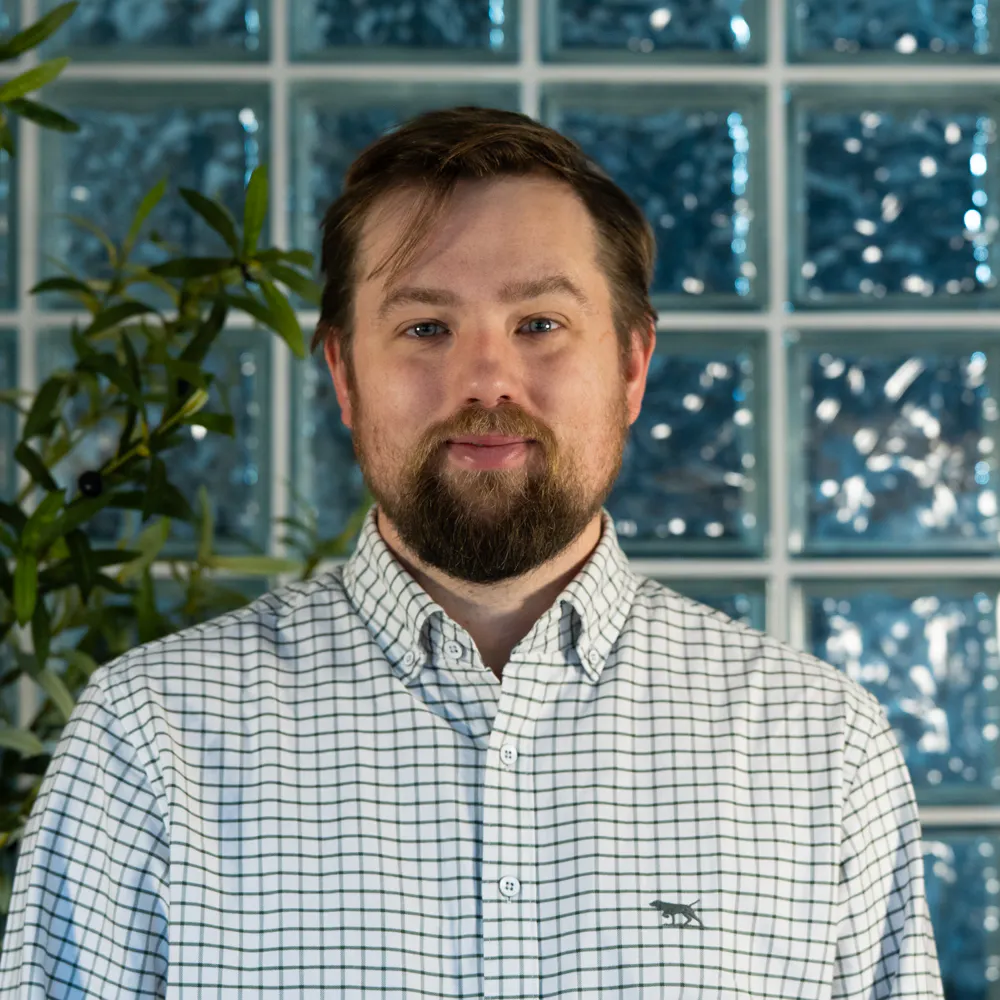
Devon Hare
Planner
Western colonial culture equates worth with continuous productivity, favouring visible, quantifiable output over depth. University teaches us to critique this grind in our heads, but intellectual awareness isn't the same as living a different way in practice and knowing it with our hearts.
When I started working alongside Elders and their respective Nations, I found it difficult to take a step back from my Western ways. Stepping back and listening, leaving room for silence, and letting thoughts settle. These aren’t the ways we as Westerners learned to make a better world. When you’re trained to look at things as technical data, that is all you see; you forget that the whole point of that data is to represent real things in real life. Watching Elders interact in thoughtful, meaningful ways, in ceremony that gives and shows pride to their lived experiences, and in ways that teach others simply through meaningful action, all this broke down how antiquated my continuously productive way of life felt.
Now when I work, I’ve learned that a good dish doesn’t use every ingredient, a good song doesn’t use every note, and a good community doesn’t need every policy. A good community has given its people the time and environment to grow, the room to share their perspectives, and the space for all to take meaningful action when it matters.