


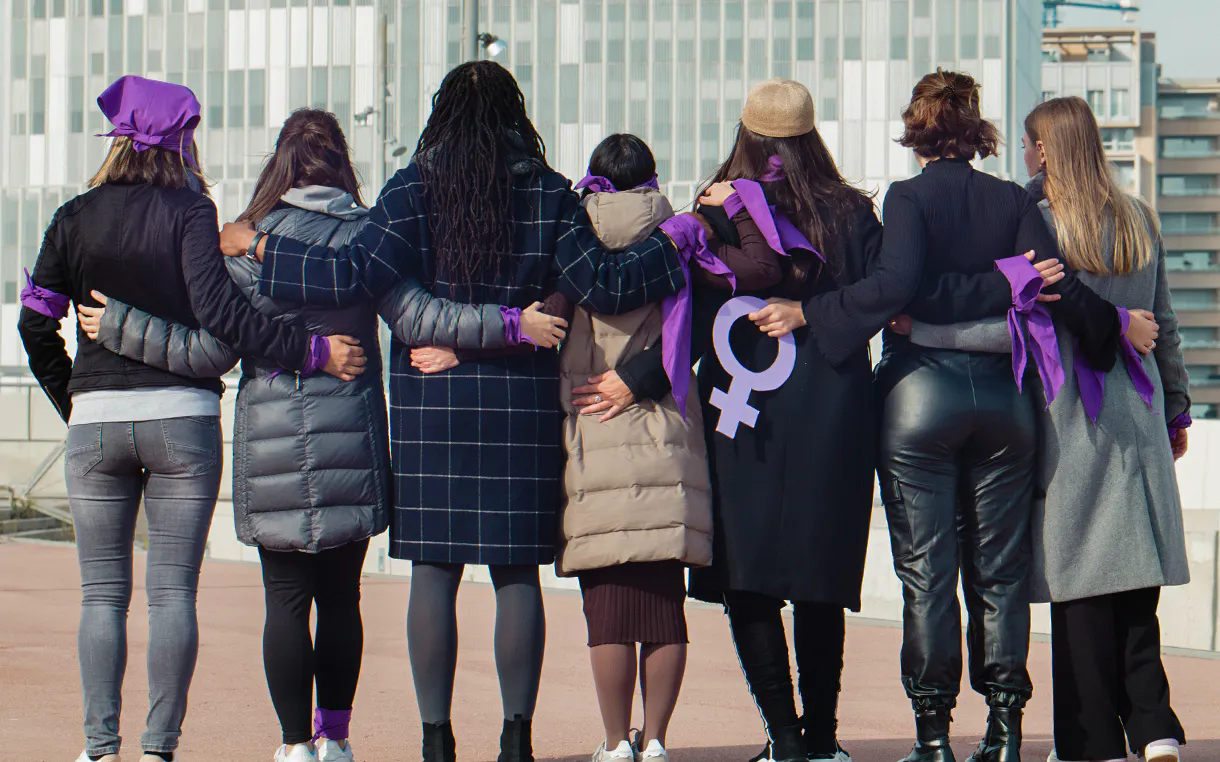
Nearly every person knows someone who has been impacted by the unfair treatment and structures designed against women.
For some, they know the barriers and challenges faced by their mothers; for others, great-grandmothers, grandmothers, cousins, sisters, friends, daughters, themselves, colleagues, or neighbours. With this knowledge, we look to reflect on what it means to create a sustainable future, one led by women’s voices, presence, and lived experiences of what it means to be excluded from policies, practices, and opportunities. This lived experience guides pathways for everyone to be heard and no one to be silenced.
For Women’s History Month, we reached out to team members to learn from their unique perspectives, roots, and stories about what this year’s theme, “Leading the Change: Women Shaping a Sustainable Future,” means to them in their everyday lives, career paths, and the work they do at Narratives.

Charmain Schocat
Research Coordinator
A long time ago, a woman fled her homeland in Europe to escape a war and an abusive husband. She settled in Canada with her four daughters; one of those daughters married a man 10 years her senior. She, in turn, had a daughter, my mother, who also faced early marriage and hardship.
All three women were shaped by circumstances that severely restricted women’s opportunities. While I cannot pretend to understand their thoughts and what they went through, I remember my Oma sharing that her mother was “sharp as a tack” and would have made an extraordinary businesswoman had the world given her the chance.
Today, I hold a university degree and have been mentored by remarkable women: scholars, leaders, and homemakers alike who shaped their families and futures. At Narratives, I work alongside a team composed mostly of women. But I can’t help but think of that woman, all those years ago, who made a choice for herself and her family in a time when such a thing would have brought so much hardship. I wonder how different the world would look had women been granted opportunity sooner.
Working for Narratives, our focus on climate work, food systems, and more, directly touches the heart of sustainability. Research consistently demonstrates that when a woman is educated and empowered, her household, community, and environment thrive. A truly sustainable future cannot exist without women leading the way.
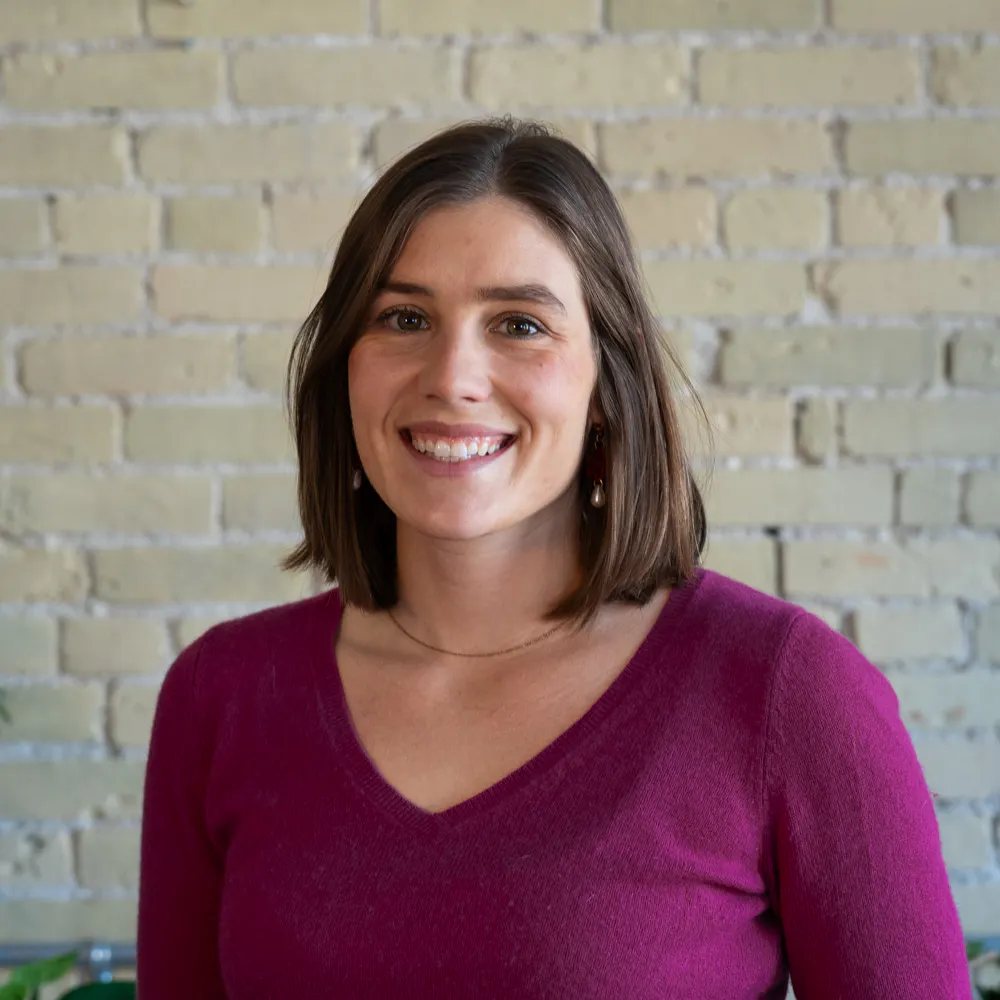
Maddy Mitchell
Environmental Field Technician
In 1856, Eunice Foote published the paper “Circumstances Affecting the Heat of the Sun’s Rays,” in which she described her experiment showing how carbon dioxide in the atmosphere could affect the Earth’s temperature, making her the first person to ever do so. Her work was presented publicly by a man, and three years later, another man published a similar work that is commonly cited as the foundation for climate science.
All around the world, women and girls are leading the push for a sustainable future, whether it be through climate activism, non-profit leadership, literary work, community planning, or otherwise. Women move beyond ego, competition, and control, which often impede good work and meaningful progress. However, women still represent only a small fraction of positions of power in green jobs, environmental governance, and politics.
When it comes to leadership, female legislators are more likely than their male counterparts to support environmental laws, and when there are more women in parliament, international climate treaties are more likely to be ratified. Climate policy interventions are shown to be more effective when women are involved. Additionally, higher political and social status for women correlates to lower carbon emissions and increased creation of protected land areas.
A piece of the climate crisis is a leadership crisis.
To solve the situation we have put ourselves in, not only do we need women at the forefront, but we also need feminist values of collaboration, creativity, connection, and compassion to remain at our core, all of which we incorporate into our work at Narratives. We need to recognize all the women who have laid the groundwork for us to get to where we are today and honour their strength by building from and with it. History is often written by the victors. For Women’s History Month, I challenge you to think more critically, explore the histories you’ve been told, and re-examine what you might hold as “true.”
*Much of this is informed by Dr. Ayana Elizabeth Johnson and Dr. Katherine K. Wilkinson in All We Can Save: Truth, Courage, and Solutions for the Climate Crisis (2020). I highly recommend this resource.
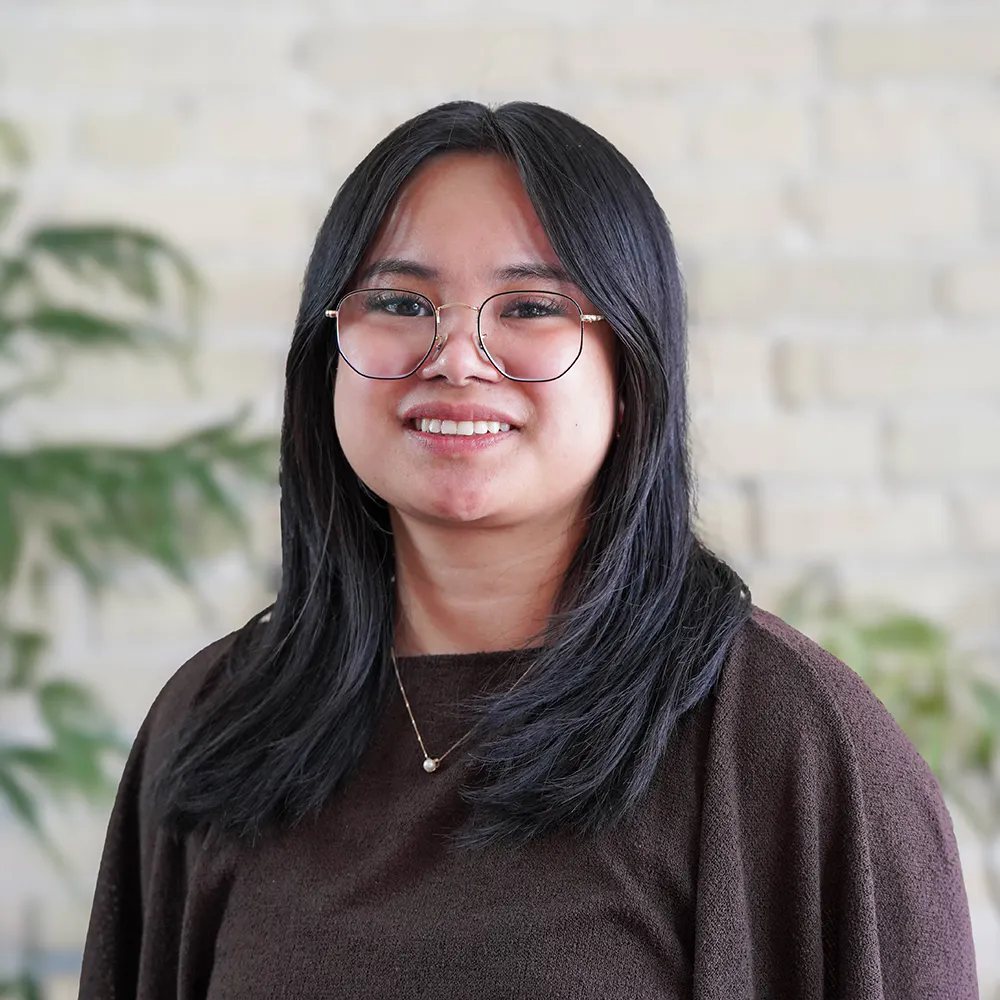
Alandra Barairo
Planner
A sustainable future requires more than just ecological measures and environmental mitigation; it also requires recognizing the historical and cultural ties that have shaped our systems.
Inequity is deeply ingrained into most of our systems. Often, women have been at the heart of these unfair structures without receiving recognition for their achievements, ideas, efforts, and abilities. Providing women with a seat at the table and uplifting their voices whenever possible opens environments where different perspectives are heard, and the challenges and barriers that women have faced in the past are truly recognized, understood, and never remade.
Traditional Western urban planning has historically been a male-dominated profession. But at Narratives, I’ve been grateful to witness women in leadership both within our organization and within the community projects that I’ve been part of. For women like me who are early in their careers, it shifts the way we view our own trajectory and how we envision our place in the future: rather than asking if there’s even a spot for me in a space, the questions change to, “What skills do I need to develop to get there?” and “Which pathway should I take?” Ultimately, I believe that women shaping a sustainable future means building a tomorrow that is rooted in respect, equity, and opportunity for everyone.

Miranda Jacques
People & Culture Lead | Executive Assistant
Shaping a sustainable future for women is both a professional calling and a deeply personal responsibility. To me, this is about building resilient systems, inclusive communities, and workplace cultures where future generations can thrive.
At Narratives, this vision shapes my work every day. As People and Culture Lead, I am dedicated to creating an empowering, equitable, and nurturing workspace where everyone feels seen, supported, and motivated to bring their best selves to work. And in my role as Executive Assistant to our amazing, visionary female founder, Somia Sadiq, I work behind the scenes to clear paths so she can also focus on driving systemic change and making a lasting impact on our world and the communities we connect with.
However, the concept of women shaping a sustainable future resonates most deeply with me because of my role as a mother. Navigating a full-time career while raising a young man is both my greatest challenge and proudest achievement. Every day, I want my son to watch his strong, smart mommy do great things, learning firsthand that empathetic leadership is grounded in strength, equity, and integrity. By building a thriving workplace and supporting groundbreaking leadership, I am not just helping shape a sustainable future for our clients and team; I am actively modelling the kind of world I want my son to inherit and contribute to.
After reading these pieces,
we ask that you reflect on the systems you know, the history you hold, and the future you want for yourself and future generations, as well as why creating a future of sustainability is important to you.